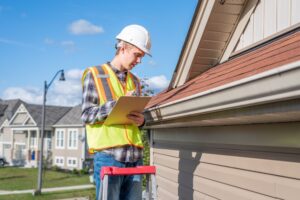
A home roof inspection is essential for maintaining the safety and longevity of a property. Homeowners often search for Roofing Near Me when they want professionals to examine their roofs for hidden damage and potential issues. Regular inspections allow for early detection of leaks, structural weaknesses, and wear caused by weather or aging. A thorough check helps prevent expensive repairs and ensures the roof continues to protect the home efficiently. Understanding what to look for and how to approach a roof inspection can save money and stress over time. This guide provides step-by-step details on what should be checked during a home roof inspection.
Exterior Roof Surface Checks
-
Shingles or Tiles Condition – Examine the roof for missing, cracked, or curling shingles or tiles. Damage in this area can lead to leaks and compromise the roof’s protective layer.
-
Flashing Integrity – Check around chimneys, vents, and skylights for gaps, cracks, or rust. Proper flashing prevents water infiltration at roof penetrations.
-
Roof Valleys and Edges – Inspect areas where roof sections meet for accumulation of debris, moss, or signs of water damage. Valleys channel water, making them vulnerable points.
-
Sagging or Uneven Areas – Look for dips, warping, or sagging in the roof structure that could indicate structural issues or weakened supports.
-
Signs of Algae, Mold, or Moss – Note any growth that can trap moisture and deteriorate roofing materials, leading to long-term damage.
Gutter and Drainage Inspection
-
Gutter Condition – Examine gutters for cracks, rust, sagging, or detachment from the home. Damaged gutters can lead to improper water drainage.
-
Downspouts – Ensure downspouts direct water away from the foundation and are free from blockages that can cause overflow.
-
Water Pooling – Check for standing water around roof edges or near gutters, which can indicate drainage problems or improper slope.
-
Debris Buildup – Remove leaves, branches, and other debris to prevent clogs and water overflow that may damage the roof and siding.
-
Signs of Water Damage – Inspect fascia boards, soffits, and surrounding areas for stains, rot, or mold caused by overflowing gutters or leaks.
Roof Interior Checks
Inspecting the interior of the roof, including the attic, is critical for detecting leaks and structural issues not visible from the exterior. Look for water stains, damp insulation, or signs of mold. Examine rafters, trusses, and beams for cracks, sagging, or any structural weakness that could indicate damage to the roof system. Proper attic ventilation should be verified to ensure airflow reduces moisture buildup and prevents damage. Check for signs of pests, such as nests or droppings, which can compromise insulation and wooden supports. Observing these areas provides insight into the overall health of the roof and helps address minor problems before they escalate.
Roof Penetrations and Fixtures
Areas around chimneys, vents, skylights, and satellite dishes require careful inspection. Examine seals, caulking, and flashing for cracks or deterioration. Loose or rusted fittings should be tightened or replaced to prevent water intrusion. Check for gaps where different materials meet, as these can allow water to enter the home. Regular maintenance of roof penetrations ensures that all attachments are secure and functional, protecting the roof’s integrity. Proper inspection of these points prevents leaks and structural damage over time.
Signs of Wear and Aging
Assessing the age of the roof helps determine how much life it has left and identifies areas showing accelerated wear. Look for granule loss on asphalt shingles, cracking, fading, or curling of materials. Identify discoloration, rust, or moss accumulation on tiles and metal roofing. Older roofs may exhibit minor leaks, sagging, or weakened structure that require prompt attention. Understanding the roof’s condition in relation to its expected lifespan allows homeowners to plan repairs or replacement before severe damage occurs, ensuring continued protection of the home.
Safety and Accessibility Considerations
Evaluate the safety and accessibility of the roof for inspections and maintenance. Take note of loose shingles, slippery surfaces, and weak spots that could pose a hazard during inspections. For steep or complex roof designs, professional roofers should handle inspections to avoid accidents. Ensure proper equipment and safety measures are used when accessing the roof. Identifying risks ahead of time helps prevent injuries and ensures inspections can be conducted thoroughly without compromising safety.
Conclusion
Regular roof inspections are essential for maintaining a home’s structural integrity and preventing costly repairs. Checking exterior surfaces, gutters, interior areas, penetrations, and signs of wear provides a complete picture of roof health. Safety and accessibility considerations are critical for effective inspections. Homeowners who identify potential issues early can contact trusted professionals to address problems and extend the lifespan of their roof. Scheduling periodic inspections through “Roofing Near Me” ensures that roofs remain in good condition, protecting the home and its occupants year-round. A thorough inspection helps maintain the value and security of the property, giving homeowners peace of mind.
FAQs
What is the best frequency for a home roof inspection?
Home roofs should be inspected at least twice a year, ideally in spring and fall, and after major storms. Regular checks prevent minor problems from escalating into significant damage.
How can a homeowner safely inspect their roof?
Homeowners should examine accessible areas from the ground or attic. Professional roofers should handle steep or fragile roofs, using proper safety equipment and procedures.
Which areas of the roof are most prone to damage?
Valleys, edges, flashing around chimneys and vents, and roof penetrations are the most vulnerable areas. Debris accumulation, poor drainage, and material wear often affect these points first.
Can small roof issues cause major damage?
Yes. Minor leaks, missing shingles, or blocked gutters can lead to water infiltration, rot, mold, and structural damage if not addressed promptly. Early detection is essential.