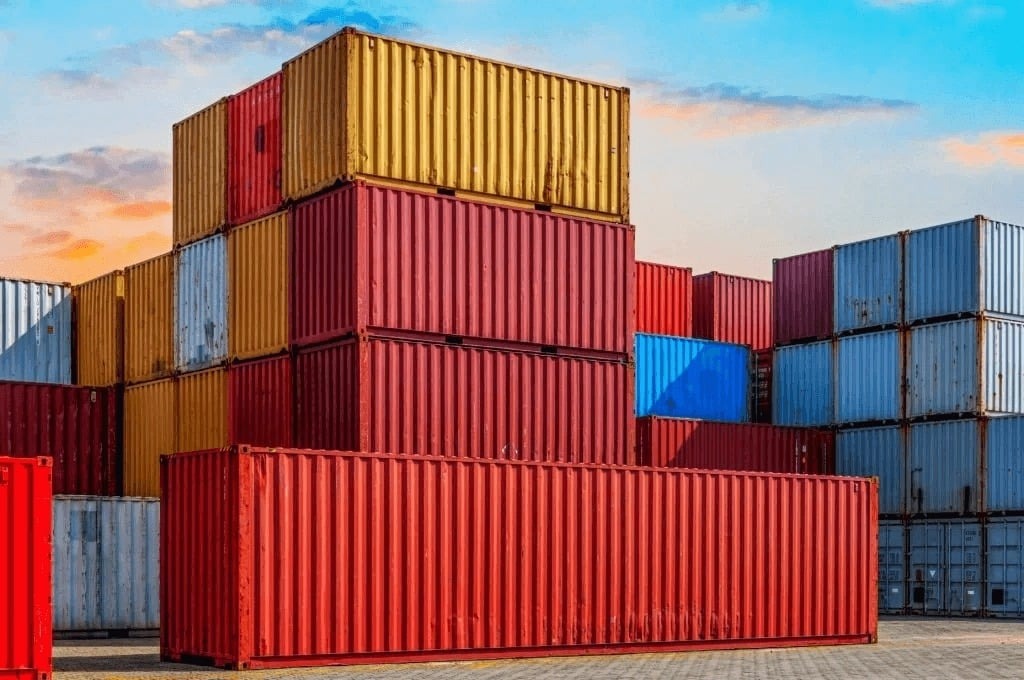
Dubai has evolved into one of the world’s most strategic logistics and trade hubs. A Dubai logistics company plays a vital role in connecting international markets, facilitating import and export operations, and ensuring smooth supply chain movement. The city’s advanced infrastructure, free zones, and ports make it a central gateway for logistics activities in the Middle East, Asia, and Africa. Logistics companies in Dubai handle transportation, warehousing, inventory management, and customs clearance. These services help businesses streamline operations, reduce costs, and meet customer expectations efficiently.
The Strategic Importance of Dubai in Global Logistics
Geographical Advantage
Dubai’s location between East and West makes it a natural logistics hub. It offers access to more than two billion consumers within a four-hour flight radius. This proximity enables faster and more cost-effective transportation of goods across regions.
Infrastructure and Connectivity
The city boasts world-class logistics infrastructure, including Jebel Ali Port, Dubai International Airport, and Al Maktoum International Airport. These facilities enable multimodal transport — integrating air, sea, and land networks for maximum efficiency.
Dubai’s logistics infrastructure also includes dedicated free zones such as Dubai Logistics City and Jebel Ali Free Zone (JAFZA). These zones provide streamlined trade processes, warehousing facilities, and customs advantages for international companies.
Government Support and Regulations
The Dubai government actively promotes logistics growth through investment-friendly policies and smart trade initiatives. Programs like Dubai Trade and Dubai Customs’ e-services simplify documentation and cargo tracking.
Core Functions of a Dubai Logistics Company
Transportation Management
Transportation is the backbone of logistics. A Dubai logistics company manages local and international shipping through air, sea, and land. Efficient route planning and coordination ensure goods reach their destinations on time.
Warehousing and Distribution
Modern warehouses in Dubai offer temperature-controlled storage, automation, and digital tracking. Logistics firms manage the storage and distribution of goods to minimize delays and damage.
Freight Forwarding
Freight forwarding services handle complex shipping requirements. They manage booking, documentation, and cargo insurance, ensuring smooth import-export operations through ports and airports.
Customs Clearance
Navigating customs regulations is critical for global trade. A logistics company in Dubai ensures all documentation complies with UAE laws, reducing the risk of delays or fines during shipment clearance.
Supply Chain Optimization
Through technology and analytics, logistics providers monitor the entire supply chain. They identify inefficiencies, track inventory, and enhance productivity. This helps businesses save costs and improve delivery timelines.
Technology in Dubai’s Logistics Industry
Digital Transformation
Dubai’s logistics sector is adopting smart technologies such as automation, artificial intelligence (AI), and blockchain. These tools enhance accuracy, transparency, and communication across supply chains.
IoT and Real-Time Tracking
Internet of Things (IoT) devices are used to monitor shipments in real time. From temperature tracking in cold-chain logistics to GPS-based vehicle monitoring, technology ensures visibility and accountability.
Automation and Robotics
Many warehouses in Dubai use automated picking systems and robotic arms to improve efficiency. This reduces human error and speeds up order processing.
Blockchain and Data Security
Blockchain technology offers secure, transparent documentation for cargo and customs. It ensures trust and accuracy in logistics transactions.
Challenges Faced by Dubai Logistics Companies
Rising Operational Costs
Despite Dubai’s efficiency, fuel prices and handling costs can impact overall logistics expenses. Companies continuously seek strategies to manage these challenges.
Global Supply Chain Disruptions
Events such as geopolitical tensions or port congestion can disrupt logistics networks. Dubai’s logistics companies adapt by diversifying routes and enhancing inventory management.
Sustainability and Green Logistics
With global focus on sustainability, logistics firms are shifting to eco-friendly operations. Dubai supports this trend by promoting electric vehicles, renewable energy, and sustainable warehouse solutions.
The Future of Logistics in Dubai
Integration with Smart City Initiatives
Dubai’s logistics sector is becoming part of the Smart Dubai vision. The integration of AI and big data into transportation systems will create more efficient, predictive, and automated supply chains.
E-commerce Growth
The rise of e-commerce in the UAE has created new demand for fast and flexible logistics services. Dubai logistics companies are developing last-mile delivery and express shipping solutions to meet this demand.
Regional Expansion
Dubai continues to attract international investment in logistics infrastructure. The city’s connectivity and regulatory environment make it a preferred hub for regional distribution.
Sustainability Focus
The future of logistics in Dubai will include green supply chain solutions. From electric trucks to energy-efficient warehouses, companies are adopting environmentally responsible strategies.
Conclusion
A Dubai logistics company plays a crucial role in global trade and supply chain management. Its ability to integrate transportation, warehousing, customs clearance, and technology ensures seamless operations across industries. Dubai’s world-class infrastructure, supportive government policies, and innovative approach make it a key logistics hub in the Middle East and beyond.
As the industry continues to evolve with digital transformation and sustainability initiatives, Dubai will remain a leader in shaping the future of logistics. Businesses seeking efficient supply chain management can rely on the expertise and capabilities of logistics providers based in this global city.