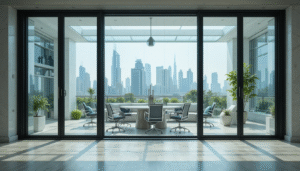
Dubai’s skyline reflects innovation, luxury, and modern design. From villas in Jumeirah to offices in Downtown Dubai, architectural styles are evolving to embrace openness and natural light. One element driving this transformation is the sliding and folding glass wall system. This system combines aesthetic appeal with practical functionality, making it ideal for both residential and commercial spaces.
In this article, we’ll explore how these glass wall systems work, their benefits, applications, and the design factors that make them an essential part of modern Dubai architecture.
What Is a Sliding & Folding Glass Wall System?
Definition and Mechanism
A sliding and folding glass wall system is a type of movable partition made of multiple glass panels. These panels slide or fold to one side, opening up an entire wall space. Unlike traditional fixed glass walls, this system allows flexibility between open and closed environments.
It usually includes an aluminum or steel frame for support, high-performance glass panels, and smooth-running tracks that ensure easy movement. The design enables seamless indoor-outdoor connectivity, making it suitable for Dubai’s luxury villas, resorts, and cafes.
Design and Functionality
These systems often use tempered or laminated glass for safety and strength. The frame materials are weather-resistant, which helps maintain durability in Dubai’s hot and humid conditions. Whether designed for a patio, balcony, or office partition, the folding and sliding glass walls blend functionality with style.
Benefits of Sliding & Folding Glass Wall Systems
Maximizing Natural Light
Glass walls allow natural light to flood interiors, reducing the need for artificial lighting during the day. In Dubai, where sunshine is abundant year-round, this feature enhances energy efficiency and creates bright, open living environments.
Space Optimization
These systems help maximize limited space. Folding glass walls can completely retract, transforming small rooms into larger, connected areas. In commercial properties, this flexibility supports multi-use layouts such as conference halls, cafes, and retail spaces.
Energy Efficiency
Modern glass systems use double or triple glazing to provide insulation. This minimizes heat transfer, keeping interiors cool during Dubai’s intense summers. Energy-efficient glazing can also help reduce air conditioning costs, supporting sustainable building practices.
Enhancing Aesthetic Appeal
Architectural glass adds a modern and elegant look to any space. Whether clear, tinted, or frosted, glass panels create a sleek and contemporary feel. The transparent surfaces make interiors appear spacious, promoting visual harmony with the surrounding environment.
Sound Insulation
High-quality sliding and folding systems provide effective soundproofing. This feature is valuable in Dubai’s busy urban areas, where minimizing external noise enhances comfort in both homes and offices.
Durability and Low Maintenance
These systems are designed to withstand environmental challenges such as heat, dust, and humidity. With proper installation and minimal upkeep, they can last for many years without losing performance or appearance.
Applications of Sliding & Folding Glass Wall Systems in Dubai
Residential Properties
In Dubai’s residential architecture, homeowners prefer open, adaptable layouts. Folding glass walls are often used in:
- Living rooms that open to patios or gardens
- Balcony enclosures offering unobstructed views
- Villa extensions for outdoor entertainment areas
They allow smooth transitions between indoor and outdoor living, perfectly suited to Dubai’s luxury lifestyle.
Commercial Buildings
Offices, showrooms, and restaurants in Dubai increasingly adopt glass wall systems. They provide flexibility in space management while maintaining a professional and stylish appearance. In hospitality design, these walls help create inviting spaces where guests can enjoy panoramic views of the city.
Retail and Hospitality Spaces
Shopping malls, hotels, and resorts often use these systems to enhance customer experience. Transparent partitions create visual openness while separating functional zones such as dining, retail, and lounge areas.
Event and Exhibition Halls
The versatility of folding glass systems allows for quick reconfiguration of event venues. Spaces can expand or contract based on event size, offering both privacy and openness as needed.
Key Design Considerations
Climate Adaptability
In Dubai, climate plays a crucial role in design decisions. Choosing UV-resistant coatings, insulated glazing, and high-quality frames helps prevent heat buildup and glass discoloration.
Material Selection
Aluminum is the most common frame material because it is lightweight, corrosion-resistant, and suitable for large glass panels. Stainless steel and composite materials are also popular for enhanced durability.
Glass Type and Safety
Tempered and laminated glass ensure strength and safety. Laminated glass prevents shattering, making it ideal for homes with children or public spaces with heavy foot traffic.
Maintenance and Cleaning
Regular cleaning keeps the glass transparent and attractive. Using mild detergents and soft cloths prevents scratches. Proper track lubrication also ensures smooth operation.
Sustainability and Smart Integration
Eco-Friendly Construction
Sustainability is a growing focus in Dubai’s construction sector. Energy-efficient glass systems help reduce carbon emissions by minimizing air conditioning loads. Many builders now integrate recyclable materials and low-emission coatings to align with green building standards.
Smart Glass Technology
Recent innovations include smart glass that can switch from transparent to opaque with a touch or remote control. This technology provides privacy on demand and enhances energy control in both homes and offices.
Future of Glass Wall Systems in Dubai
As Dubai continues to expand its architectural horizons, the demand for modern, flexible, and sustainable solutions is increasing. Sliding and folding glass wall systems fit perfectly within this trend. They represent the city’s vision for luxury, efficiency, and modern design.
From skyscrapers to beachfront villas, these systems will continue shaping the city’s contemporary aesthetic. With advancements in materials and automation, the future of glass architecture in Dubai looks both innovative and sustainable.
Conclusion
The sliding and folding glass wall system is more than just a design element—it’s a functional innovation that defines modern architecture in Dubai. By combining transparency, flexibility, and energy efficiency, these systems enhance the comfort and beauty of residential and commercial spaces alike.
Whether for a villa, office, or hospitality project, they offer the perfect balance between aesthetics and practicality—ideal for a city that blends luxury with forward-thinking design.