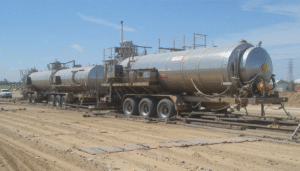
In industrial sectors such as oil, gas, and chemical handling, safety is a top priority. One of the most critical aspects of maintaining safe operations is managing static electricity during fuel transfer or loading. In Dubai, a hub for energy and logistics industries, tanker grounding equipment plays a vital role in preventing static discharge that could lead to fires or explosions. This system ensures that fuel and chemical tankers are properly grounded before any transfer takes place, creating a controlled and safe working environment.
Understanding Tanker Grounding Equipment
What Is Tanker Grounding Equipment?
Tanker grounding equipment is a safety device used to eliminate the buildup of static electricity during the loading or unloading of fuel, chemicals, or other flammable materials. The system creates a direct connection between the tanker and the earth, allowing static charges to safely dissipate. This prevents sparks that could otherwise ignite flammable vapors.
How It Works
When a tanker truck arrives for loading or unloading, grounding clamps are attached to specific points on the vehicle. These clamps are connected to a grounding system that measures resistance and ensures a complete earth connection. Once proper grounding is verified, the system allows the transfer process to begin. Some advanced systems also provide visual indicators or automatic interlocks to ensure continuous safety during operation.
Common Components
Tanker grounding systems typically include:
- Grounding clamps and cables
- Static monitoring units
- Resistance measurement devices
- Earthing rods or grounding networks
Each component plays a crucial role in ensuring electrical continuity and preventing hazardous discharge.
Importance of Tanker Grounding Equipment in Dubai
Safety in Industrial Operations
Dubai’s industrial sector is highly developed, with activities involving petroleum, chemicals, and bulk transportation. In such environments, tanker grounding equipment is essential to prevent static ignition during fuel transfer. The system ensures compliance with international safety standards and protects both personnel and property.
Regulatory Compliance
Authorities in Dubai emphasize safety and environmental protection in industrial operations. Facilities handling flammable materials must adhere to strict safety codes. Using certified tanker grounding systems helps companies comply with regulations from agencies like the Dubai Municipality, Civil Defense, and international standards such as IEC and ATEX.
Reducing Operational Risks
Static discharge incidents can cause severe damage, leading to downtime, injuries, or environmental contamination. Implementing proper grounding equipment minimizes these risks and ensures smooth operations. For industries such as aviation fueling, marine terminals, and petrochemical plants, reliable grounding systems are indispensable.
Types of Tanker Grounding Systems
Manual Grounding Systems
These are simple grounding setups where operators manually connect the tanker to the grounding point using cables and clamps. Though cost-effective, manual systems require regular maintenance and operator attention to ensure proper function.
Automatic Grounding Systems
Automatic grounding systems feature advanced electronic monitoring. They verify the connection’s integrity and display visual confirmation, allowing safe operation. In some cases, they prevent fuel transfer until grounding is confirmed. These systems are commonly used in high-risk environments like refineries and chemical plants.
Portable Grounding Systems
Portable tanker grounding units are flexible solutions suitable for temporary sites or mobile operations. They offer the same protection level as fixed systems but with greater mobility and ease of setup.
Applications of Tanker Grounding Equipment in Dubai
Oil and Gas Industry
The oil and gas sector in Dubai relies heavily on grounding systems to maintain safety during the transfer of crude oil, diesel, and other fuels. Proper grounding prevents ignition risks during tanker loading and unloading operations.
Chemical Handling Facilities
Chemical plants handle flammable and volatile substances daily. Tanker grounding equipment helps reduce the chances of static discharge that could trigger hazardous reactions or explosions.
Fuel Storage and Distribution
Fuel depots and logistics centers use grounding systems to ensure that every tanker entering or leaving the premises is properly earthed. This safety measure prevents accidents and ensures compliance with environmental safety norms.
Aviation and Marine Terminals
At Dubai’s airports and ports, grounding systems protect fueling operations. They maintain safety during the refueling of aircraft, ships, and tankers, ensuring no static buildup occurs during high-volume transfers.
Maintenance and Safety Best Practices
Regular Inspections
Routine inspection and testing of grounding systems are essential to maintain their effectiveness. Over time, cables or clamps may degrade, increasing resistance. Regular checks help detect faults early. Similarly, when setting up a tyre pyrolysis manufacturing plant, monitoring and maintaining grounding systems becomes critical for safety and operational efficiency. Understanding the cost and revenue aspects of such a plant also includes factoring in expenses related to electrical safety, regular testing, and equipment maintenance to ensure long-term profitability.
Resistance Testing
Ground resistance should be tested periodically to ensure continuity. The ideal resistance value typically remains below 10 ohms, ensuring an efficient discharge path.
Training and Safety Awareness
Operators must be trained in proper grounding procedures. Understanding how to connect clamps, check indicators, and verify system performance can prevent accidents.
Record Keeping
Maintaining documentation of grounding checks, system calibration, and maintenance schedules ensures accountability and compliance during safety audits.
Why Tanker Grounding Equipment Is Essential for Dubai’s Growth
Dubai continues to expand its industrial infrastructure, from logistics hubs to energy terminals. Safety equipment like tanker grounding systems supports this growth by providing reliable protection against static-related hazards. These systems ensure that operations remain safe, efficient, and compliant with global standards. As industries evolve, the demand for advanced grounding solutions will continue to rise, supporting Dubai’s position as a regional leader in industrial safety and innovation.
Conclusion
Tanker grounding equipment is a fundamental safety tool in Dubai’s industrial landscape. It safeguards personnel, equipment, and the environment from the dangers of static electricity during fuel and chemical transfer. From manual setups to advanced automated systems, grounding solutions play a critical role in maintaining safe and compliant operations. As Dubai advances toward smarter and safer industries, grounding technology will remain a key element in ensuring reliability and sustainability across all fuel-handling sectors.