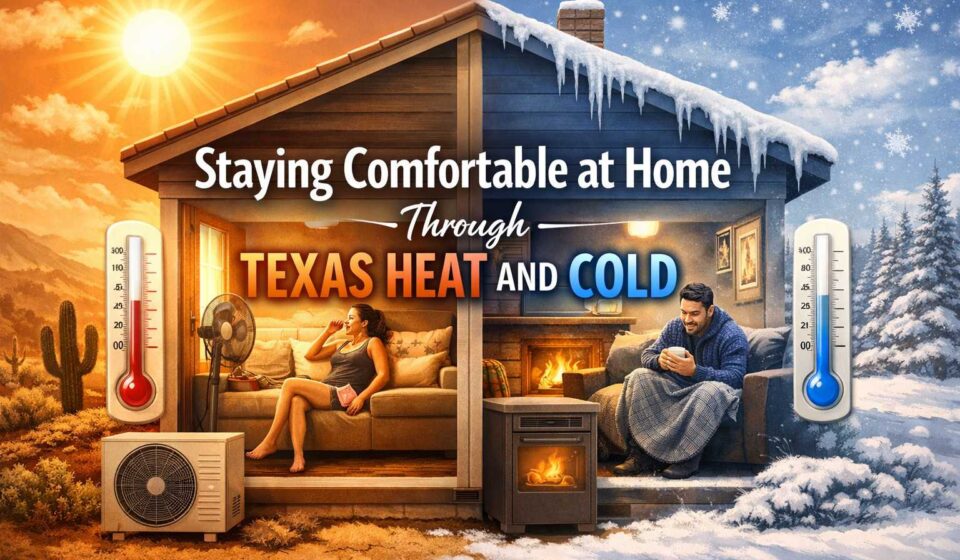

Texas weather is famously unpredictable. Scorching summers, sudden cold snaps, and long stretches of high humidity all place heavy demands on a home’s heating and cooling systems. For homeowners, staying comfortable year-round isn’t just about convenience — it’s about reliability, efficiency, and smart long-term planning.
Understanding how HVAC systems work, what maintenance they require, and how to prepare your home for seasonal shifts can make a meaningful difference in both comfort and energy costs.
Why Climate Matters for Home Comfort
Homes in warm climates face unique challenges. Extended heat waves force air conditioning systems to run for hours at a time, increasing wear and energy usage. Meanwhile, colder periods — though shorter — still require dependable heating to maintain safety and indoor comfort.
Because HVAC systems operate differently under constant strain, homeowners benefit from proactive care rather than reactive repairs. Systems that are maintained properly tend to perform more efficiently, last longer, and avoid unexpected breakdowns during peak seasons.
The Role of Preventive HVAC Maintenance
One of the most effective ways to protect home comfort is through routine HVAC maintenance. While many homeowners wait until something breaks, preventive care addresses small issues before they become expensive problems.
Common benefits of regular maintenance include:
-
Improved energy efficiency
-
More consistent indoor temperatures
-
Reduced risk of system failure
-
Better air quality throughout the home
-
Longer system lifespan
A typical maintenance visit often involves inspecting components, cleaning coils, checking airflow, testing controls, and ensuring the system is operating safely. These steps help ensure the system can handle seasonal demands without unnecessary stress.
When to Consider System Upgrades
Even with proper care, HVAC systems don’t last forever. Aging equipment often struggles to maintain comfort, consumes more energy, and requires frequent repairs. In these cases, upgrading to a newer system can provide noticeable improvements.
Modern HVAC systems are designed with higher efficiency standards, quieter operation, and improved temperature control. Homeowners may notice:
-
Lower monthly utility bills
-
Faster and more even cooling or heating
-
Enhanced humidity control
-
Better compatibility with smart thermostats
While upgrades represent an investment, they often pay off over time through energy savings and reduced maintenance needs.
Improving Airflow and Indoor Air Quality
Comfort isn’t just about temperature. Airflow and indoor air quality play a significant role in how a home feels day to day. Poor airflow can cause uneven temperatures, while indoor pollutants may contribute to allergies or discomfort.
Simple improvements that can make a difference include:
-
Keeping air vents unobstructed
-
Replacing air filters regularly
-
Sealing gaps in ductwork
-
Ensuring proper system sizing for the home
Indoor air quality solutions, such as advanced filtration or purification systems, can also help reduce dust, allergens, and other airborne particles — especially in homes with pets or high foot traffic.
Choosing a Reliable HVAC Service Provider
For homeowners, selecting an HVAC provider isn’t just about finding someone to fix a problem — it’s about building a long-term relationship with professionals who understand your home and local climate conditions.
A dependable provider typically offers:
-
Licensed and trained technicians
-
Transparent pricing and clear communication
-
Maintenance programs for long-term care
-
Experience with both repairs and installations
Learning more about reputable service providers, such as those featured on cowboysac.com, can help homeowners better understand what quality HVAC care looks like and what services may be available.
Practical Steps Homeowners Can Take Today
Even without professional assistance, there are steps homeowners can take to support HVAC performance:
-
Change air filters every one to three months
-
Keep outdoor units free of debris and vegetation
-
Use programmable or smart thermostats
-
Schedule maintenance before peak seasons
-
Pay attention to unusual noises or airflow changes
These small actions can reduce system strain and improve comfort throughout the year.
Conclusion: Comfort Comes from Preparation
Maintaining a comfortable home in a challenging climate requires planning, awareness, and the right support. By understanding how HVAC systems work, investing in preventive care, and knowing when to upgrade, homeowners can avoid unnecessary stress and expenses.
Resources like cowboysac.com can provide helpful context for homeowners looking to make informed decisions about heating, cooling, and long-term comfort strategies. With the right approach, staying comfortable year-round becomes far more manageable — no matter what the weather brings.