When a storm hits, the damage to your home can be overwhelming. You might notice missing shingles, cracked siding, or even water stains inside your walls. It’s tempting to wait and see if things get worse before calling for repairs, but acting quickly can save a lot of money-and headaches-down the line.
Storm Damage: More Than Just Cosmetic Issues
At first glance, a few missing shingles or a dented piece of siding might not seem like a big deal. But these small problems can quickly turn into major expenses if left unattended. Even minor damage can allow water to seep in, leading to rot, mold, and structural issues.
Water intrusion is the silent enemy after a storm. A tiny gap in your siding or a loose shingle can let rainwater sneak behind your walls. Over time, this moisture can cause wood to warp, insulation to lose effectiveness, and mold to grow. Mold doesn’t just damage your home—it can also affect your family’s health. The spores released into the air can trigger allergies, asthma, and other respiratory issues, making it crucial to address any signs of water damage immediately.
Hidden Damage Can Be Expensive
Storm damage isn’t always visible. Sometimes, the real problems hide beneath the surface. For example, a strong wind might loosen roofing nails or damage the underlayment beneath your shingles. If these issues aren’t fixed quickly, the roof’s integrity weakens, increasing the risk of leaks. Furthermore, the longer these underlying issues go unaddressed, the more extensive and costly repairs can become. Homeowners may find themselves facing not only roof replacement but also repairs to ceilings, walls, and even electrical systems that have been compromised by water exposure. Hiring professionals like click here Covenant Roofing & Restoration ensures a thorough inspection and proper repair, helping to prevent small issues from escalating into major damage. Click here for further details.
Similarly, siding that looks intact might have cracks or gaps that let pests in. Termites and other insects can take advantage of these openings, causing further damage that’s costly to repair. In addition to structural damage, pest infestations can lead to a significant decrease in your home’s value. Regular inspections and maintenance are essential, especially after severe weather events, to ensure that even the most inconspicuous damage is caught early. Investing in a thorough post-storm assessment can save homeowners from the headache of unexpected repair bills down the line, and it can also help maintain the overall safety and comfort of the living environment.
The Cost of Delaying Repairs
Waiting to fix siding or roof damage is a gamble. You might think the damage is minor and that repairs can wait until the next season. But storms often come in clusters, and another round of bad weather can worsen the damage significantly.
Here’s what happens when repairs are delayed:
- Water Damage Escalates: Moisture spreads, damaging more of the structure.
- Mold Growth: Mold can start growing within 24-48 hours of water exposure.
- Structural Weakening: Wood and other materials rot, reducing your home’s strength.
- Increased Repair Costs: What might have been a simple fix turns into a major renovation.
- Insurance Complications: Delays can lead to denied claims if damage worsens due to neglect.
For example, a small leak in the roof might only cost a few hundred dollars to fix immediately. But if left untreated, it can cause ceiling collapse, requiring thousands of dollars in repairs. The same goes for siding; a cracked panel can be replaced cheaply, but if water gets behind it, the underlying framing might need costly replacement.
Insurance and Documentation
Acting quickly also helps with insurance claims. Insurers expect homeowners to take reasonable steps to prevent further damage after a storm. If you delay repairs, your claim might be reduced or denied because the damage worsened due to neglect.
Documenting the damage right after the storm is crucial. Take photos and videos of the affected areas. This evidence supports your claim and helps contractors provide accurate estimates. Waiting too long can make it harder to prove the damage was caused by the storm.
Moreover, the longer you wait, the more difficult it becomes to find reliable contractors. Many professionals are booked solid after major weather events, and you may end up with limited options, potentially leading to higher costs or subpar work. Additionally, the materials needed for repairs may become scarce or more expensive as demand rises, further inflating your repair budget. By addressing issues promptly, you not only safeguard your home but also maintain a better relationship with contractors who can prioritize your needs over others who may have delayed their repairs.
It’s also worth noting that neglecting repairs can affect your home’s resale value. Potential buyers are often wary of homes with visible damage or signs of neglect, which can lead to lower offers or extended time on the market. A well-maintained exterior not only enhances curb appeal but also instills confidence in buyers about the overall condition of the home. Therefore, timely repairs are not just about immediate safety and comfort; they are also an investment in your property’s future marketability.
Steps to Take Immediately After a Storm
Knowing what to do right after a storm can make a big difference. Here’s a straightforward plan to protect your home and your wallet:
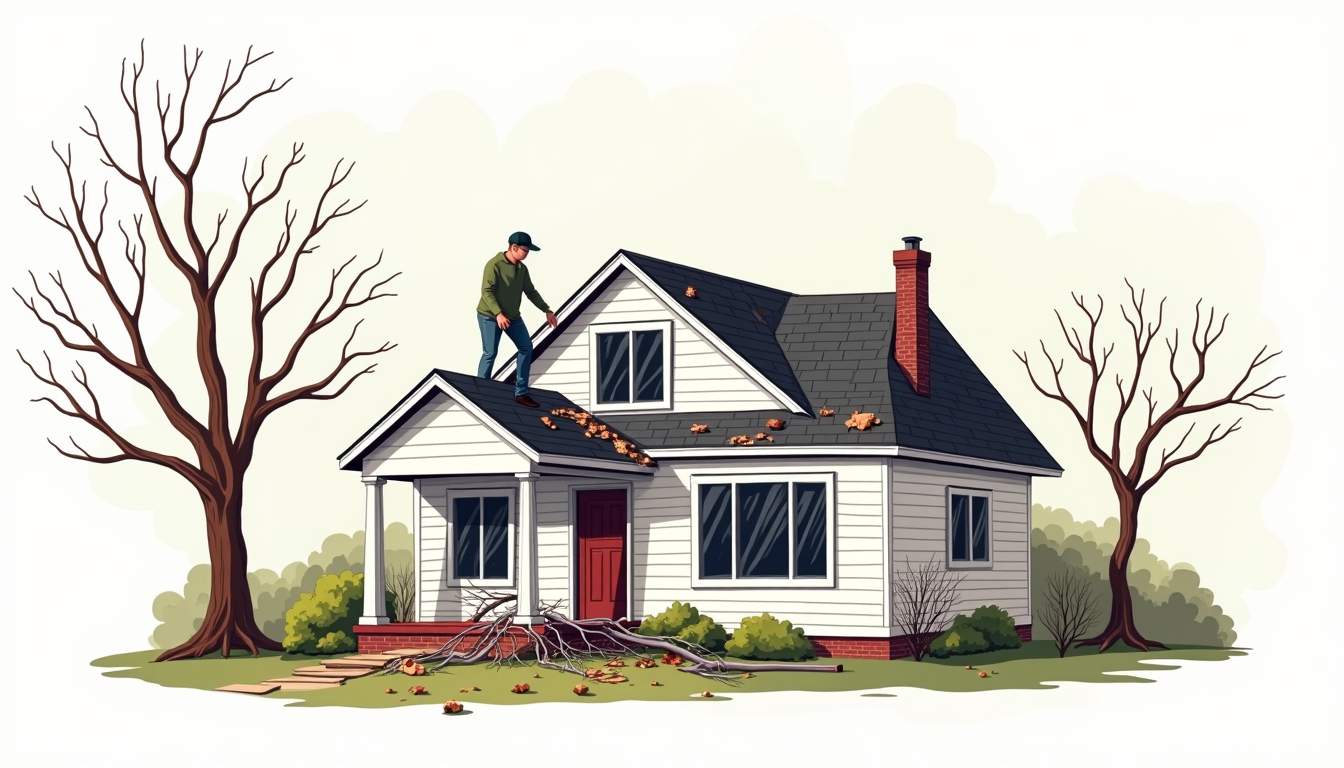
1. Inspect Your Property Safely
Once it’s safe to go outside, walk around your home and look for obvious signs of damage. Check the roof, siding, gutters, windows, and doors. Use binoculars if necessary to spot missing shingles or cracks high up.
Be cautious-don’t climb on a wet or unstable roof. If you’re unsure, hire a professional inspector to assess the damage.
2. Document Everything
Take clear photos and videos of all damaged areas. Capture wide shots and close-ups to show the extent of the damage. This documentation is essential for your insurance claim and for getting accurate repair estimates.
3. Prevent Further Damage
If you spot holes or gaps in your roof or siding, cover them temporarily with tarps or plastic sheeting. This helps keep rain and pests out until permanent repairs can be made. Avoid using nails or screws that might cause more damage.
4. Contact Your Insurance Company
Report the damage as soon as possible. Provide your documentation and follow their instructions for filing a claim. Ask about their preferred contractors or if you can choose your own.
5. Get Professional Estimates
Reach out to reputable roofing and siding contractors for inspections and quotes. Compare their assessments and timelines before deciding on repairs. Quick scheduling can prevent further damage and reduce costs.
How Quick Repairs Save Money
Fixing storm damage promptly not only protects your home but also your budget. Here’s how acting fast keeps expenses down:
Stop Damage from Spreading
Immediate repairs prevent water from penetrating deeper into your home’s structure. The longer water sits, the more it spreads, affecting insulation, framing, and interior finishes. Early intervention limits the scope of repairs.
Lower Labor and Material Costs
Contractors often charge more for emergency or complex repairs caused by neglect. Simple fixes like replacing a few shingles or siding panels are cheaper and quicker than major reconstruction. Materials might also be more affordable when ordered in smaller quantities for minor repairs.
Maintain Home Value
Storm damage left unrepaired can reduce your home’s market value. Visible damage and hidden issues like mold deter buyers and lower appraisal values. Keeping your home in good condition preserves equity and makes selling easier.
Insurance Benefits
Insurance companies appreciate prompt action. Filing claims quickly and mitigating further damage can lead to smoother claims processing and better coverage. Delays might cause disputes or reduced payouts.
Choosing the Right Professionals for Repairs
Not all contractors are created equal. Selecting the right team ensures repairs are done correctly and efficiently, saving you money in the long run.
Look for Experience and Credentials
Choose contractors with a strong track record in storm damage repair. Verify licenses, insurance, and certifications. Experienced professionals understand how to identify hidden damage and use quality materials suited for your climate.
Get Multiple Quotes
Don’t settle for the first estimate. Getting several quotes helps you understand the market rate and avoid overpaying. Beware of prices that seem too good to be true-they might indicate subpar work or cheap materials.
Check Reviews and References
Online reviews and word-of-mouth recommendations provide insight into a contractor’s reliability and workmanship. Ask for references and follow up with past clients if possible.
Understand the Warranty
A reputable contractor will offer warranties on both materials and labor. This protects you if problems arise after the repair. Make sure you get warranty details in writing.
Preventing Future Storm Damage
While you can’t control the weather, you can take steps to minimize damage from future storms.
Regular Maintenance
Inspect your roof and siding regularly, especially after severe weather. Clean gutters, replace damaged shingles, and seal cracks promptly. Routine maintenance extends the life of your exterior and prevents small issues from becoming big problems.
Upgrade to Storm-Resistant Materials
Consider investing in impact-resistant roofing materials and reinforced siding designed to withstand high winds and hail. These upgrades might cost more upfront but can save thousands in repairs after a storm.
Trim Trees and Secure Loose Items
Falling branches and flying debris cause a lot of storm damage. Keep trees trimmed and remove weak limbs near your home. Secure outdoor furniture, grills, and other items that could become projectiles during high winds.
Install Proper Drainage
Ensure your home’s drainage system directs water away from the foundation. Proper grading, gutters, and downspouts reduce the risk of water intrusion and foundation damage.
Final Thoughts
Storm damage to your siding and roof is stressful, but delaying repairs only makes things worse and more expensive. Quick action protects your home’s structure, maintains its value, and keeps repair costs manageable. Document the damage, contact your insurance company, and hire trusted professionals to get your home back in shape as soon as possible.
Storms are unpredictable, but your response doesn’t have to be. Being prepared and acting fast can turn a potentially costly disaster into a manageable repair.