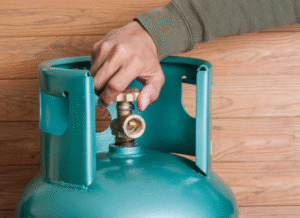
Propane gas is a widely used fuel source, known for its efficiency, portability, and versatility. From home heating to cooking and outdoor activities like barbecuing or camping, propane bottles provide a convenient energy solution. However, with the benefits of propane come significant safety considerations. Mishandling or neglecting proper safety measures can lead to serious accidents, including fires, explosions, and carbon monoxide poisoning. Understanding propane gas bottle safety regulations is essential for anyone who uses or stores propane. In this article, we will explore the key safety regulations, storage guidelines, handling precautions, and legal requirements to ensure safe propane use.
What is a Propane Gas Bottle?
A propane gas bottle, sometimes called a propane cylinder, is a container designed to store propane in a pressurized form. Propane is a highly flammable gas, and the bottles are engineered to withstand the pressure and prevent leaks. Propane cylinders are commonly used in households, restaurants, industrial settings, and outdoor recreational activities. The sizes vary, ranging from small portable bottles to large storage tanks. Due to the pressurized nature of propane, strict safety regulations govern the manufacture, storage, transportation, and usage of these bottles.
Why Safety Regulations Matter
Propane is highly combustible, and even a small leak can result in fire hazards. Accidents involving propane gas bottles can be catastrophic, leading to property damage, injury, or death. Regulatory authorities enforce safety standards to minimize these risks. Following safety regulations ensures not only legal compliance but also protects lives and property. It also promotes responsible handling and fosters awareness of potential hazards associated with propane use.
Propane Gas Bottle Safety Regulations Overview
Propane gas safety regulations can be broadly categorized into several areas, including:
-
Manufacturing Standards
-
Storage Guidelines
-
Transportation Rules
-
Usage Precautions
-
Inspection and Maintenance Requirements
These regulations vary slightly depending on the country or region, but most share common principles aimed at reducing risk.
1. Manufacturing Standards
Propane cylinders must meet strict manufacturing standards to ensure they can safely contain pressurized gas. Some key aspects include:
-
Material Quality: Cylinders are made from durable steel or aluminum, capable of withstanding high pressure without rupturing.
-
Safety Valves: Every propane cylinder must include a pressure relief valve to release excess pressure and prevent explosions.
-
Certification: Propane cylinders must be certified by recognized authorities. In many regions, they must comply with standards set by organizations such as the U.S. Department of Transportation (DOT) or the European Committee for Standardization (CEN).
-
Markings and Labels: Cylinders must be clearly marked with manufacturing date, serial number, and safety instructions. Expiry dates are important, as older bottles may become unsafe over time.
2. Storage Guidelines
Proper storage of propane gas bottles is critical to prevent leaks, fire, and other hazards. Regulations for storage focus on location, ventilation, and environmental safety:
-
Ventilation: Propane is heavier than air and can accumulate in low-lying areas, creating a risk of explosion. Bottles should always be stored in well-ventilated areas away from confined spaces.
-
Distance from Ignition Sources: Keep propane cylinders away from open flames, electrical equipment, and heat sources. Even a small spark can ignite leaking gas.
-
Temperature Control: Propane cylinders should not be exposed to extreme heat. Temperatures above 120°F (49°C) can increase internal pressure and trigger the safety relief valve.
-
Secure Positioning: Cylinders must be stored upright to maintain valve integrity. They should be secured to prevent tipping, rolling, or falling.
-
Indoor vs. Outdoor Storage: Many regulations prohibit storing propane indoors, including garages and basements, unless specifically designed for gas storage.
3. Transportation Rules
Transporting propane cylinders requires adherence to strict safety rules to prevent accidents during transit:
-
Proper Securing: Cylinders must be secured upright during transport. Loose cylinders can roll, causing damage to valves or leading to leaks.
-
Ventilation in Vehicles: Transport propane in well-ventilated areas. Never leave cylinders in a closed vehicle trunk, as gas accumulation can create an explosion risk.
-
Avoid Heat Exposure: During transport, avoid leaving propane cylinders under direct sunlight for long periods. High temperatures increase cylinder pressure.
-
Compliance with Transport Regulations: Many countries regulate the transportation of flammable gases. Vehicles carrying multiple cylinders may require proper signage and fire safety equipment.
4. Usage Precautions
Even with proper storage and transport, accidents can occur if propane bottles are used carelessly. Safety regulations emphasize correct usage practices:
-
Leak Detection: Always check for leaks before using a cylinder. Use soapy water on connections to identify gas leaks; bubbles indicate a leak. Never use a flame to test for leaks.
-
Correct Connection: Ensure that hoses, regulators, and fittings are compatible and tightly secured. Loose connections can lead to gas escape.
-
Appliance Safety: Only use propane cylinders with approved appliances. Improper connections or faulty equipment can cause accidents.
-
No Tampering: Never attempt to modify or repair a cylinder, valve, or regulator. Unauthorized tampering can compromise safety.
-
Turn Off When Not in Use: Always turn off the cylinder valve when the gas is not needed. This prevents accidental leaks.
5. Inspection and Maintenance Requirements
Regular inspection and maintenance are essential to ensure propane gas bottles remain safe:
-
Periodic Inspection: Most regulations require cylinders to be inspected periodically, typically every 5–10 years, depending on local standards. Inspect for rust, dents, leaks, or other damages.
-
Hydrostatic Testing: Some regulations mandate hydrostatic testing, which involves pressurizing the cylinder with water to ensure it can safely hold propane.
-
Valve and Regulator Checks: Ensure that safety valves and regulators function correctly. Replace worn or damaged components promptly.
-
Expiry Dates: Propane bottles have a limited service life. Do not use cylinders past their expiry date or requalification date.
Common Propane Safety Tips
Even beyond regulatory requirements, there are general safety practices that everyone should follow:
-
Keep Cylinders Upright: Always store and use cylinders in an upright position.
-
Avoid Smoking Near Cylinders: Never smoke or use open flames near propane bottles.
-
Install Carbon Monoxide Detectors: Propane combustion can produce carbon monoxide. Detectors help prevent poisoning.
-
Educate Household Members: Make sure everyone who might handle propane understands basic safety measures.
-
Emergency Preparedness: Know how to turn off the gas quickly in case of a leak. Keep a fire extinguisher rated for flammable gases nearby.
Legal Responsibilities of Propane Users
In many regions, propane users have legal obligations to prevent accidents:
-
Compliance with Regulations: Users must adhere to local and national safety regulations regarding storage, transportation, and usage.
-
Reporting Accidents: Accidents or leaks may need to be reported to authorities. Failure to comply can result in fines or legal action.
-
Proper Disposal: Empty or expired propane cylinders must be disposed of according to regulations to prevent environmental hazards.
Propane Safety in Commercial Settings
Commercial use of propane introduces additional safety considerations:
-
Bulk Storage Safety: Businesses may store large quantities of propane. Regulations typically require fire-resistant storage facilities, adequate ventilation, and safety signage.
-
Employee Training: Staff must be trained in handling, leak detection, and emergency response.
-
Regular Audits: Businesses often undergo periodic safety audits to ensure compliance with local laws.
Emerging Technologies and Safety Innovations
Modern technology has introduced several safety innovations in propane use:
-
Automatic Shutoff Valves: Some cylinders come with automatic shutoff valves that stop gas flow in case of leaks or overpressure.
-
Smart Regulators: Regulators with digital monitoring help detect pressure changes and alert users to potential issues.
-
Leak Detection Sensors: Portable leak detectors provide real-time monitoring for residential or commercial use.
These advancements, combined with regulatory compliance, make propane use safer than ever before.
Common Misconceptions About Propane Safety
Despite regulations and technology, misconceptions can lead to unsafe practices:
-
“Propane is Too Dangerous to Use”: While propane is flammable, adherence to safety regulations drastically reduces risks. Millions of households use propane safely every day.
-
“Small Bottles Don’t Need Safety Checks”: Even small portable cylinders can leak or explode if mishandled. Safety regulations apply to all sizes.
-
“Outdoor Use is Always Safe”: While outdoors reduces risk, incorrect connections, storage in hot areas, or exposure to direct flames can still be dangerous.
Dispelling these myths is critical for responsible propane use.
Conclusion
Propane gas bottle provide a convenient, efficient, and versatile fuel source for households and commercial operations alike. However, the benefits of propane come with inherent risks that must be managed through strict adherence to safety regulations. From manufacturing standards to storage, transportation, usage, and maintenance, every stage of propane handling has specific guidelines designed to prevent accidents. By understanding and following these regulations, users can enjoy the advantages of propane safely, protecting both themselves and others from potential hazards. Regular inspections, proper storage, leak detection, and responsible handling are not just legal requirements—they are essential practices that save lives and ensure safe energy use. Whether you are a homeowner, a restaurant operator, or a recreational camper, staying informed and compliant with propane gas bottle safety regulations is a responsibility that cannot be overlooked. Safety is always a priority when dealing with flammable gases, and with the right knowledge, propane can be a safe, reliable, and effective energy source.