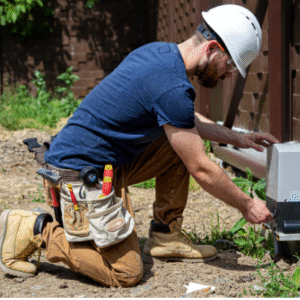
Industrial worker uniforms play a crucial role in maintaining safety, comfort, and professionalism across various industries in Dubai. From construction sites to manufacturing plants, uniforms serve as protective gear designed to meet the region’s safety regulations and climate conditions. Dubai’s industrial workforce operates in diverse sectors, where uniforms are not just attire but an essential part of occupational safety and identity.
This article explores the importance, types, and standards of industrial worker uniforms in Dubai, highlighting key features that make them suitable for harsh work environments
Importance of Industrial Worker Uniforms
Safety and Protection
The primary function of industrial uniforms is to ensure worker safety. These uniforms are made from durable fabrics that protect against potential hazards such as heat, chemicals, sparks, and mechanical injuries. In industries like oil and gas, construction, and electrical maintenance, flame-resistant and anti-static materials are commonly used to minimize risks.
Dubai’s industrial sector operates under high safety standards enforced by local authorities. Wearing appropriate uniforms ensures compliance with safety regulations and reduces workplace accidents.
Professional Identity
Uniforms promote a sense of unity and belonging among employees. They create a professional image that reflects the company’s commitment to safety and discipline. In Dubai’s multicultural workforce, standardized uniforms help establish equality among workers, regardless of nationality or role.
Climate Adaptation
Dubai’s climate is hot for most of the year, which makes breathable and moisture-wicking fabrics essential. Industrial uniforms designed for the region often include ventilation panels, lightweight materials, and UV-resistant coatings to keep workers comfortable during long shifts outdoors.
Common Types of Industrial Worker Uniforms in Dubai
Coveralls and Overalls
Coveralls are among the most widely used uniforms across construction, oil, and manufacturing industries. They provide full-body protection and are designed to withstand wear and tear. Flame-retardant and chemical-resistant coveralls are essential in environments involving hazardous materials.
High-Visibility Clothing
High-visibility vests and jackets are mandatory for workers operating near roadways, heavy machinery, or dimly lit areas. These uniforms use reflective materials that enhance visibility during night shifts or low-light conditions, ensuring safety from moving vehicles or equipment.
Safety Jackets and Work Shirts
Safety jackets and shirts are tailored to specific tasks. For instance, electrical workers use anti-static fabrics, while welders wear heat-resistant jackets. Many of these uniforms include multiple pockets for tools and accessories, adding convenience and efficiency on-site.
Industrial Work Pants and Trousers
Work pants are made from heavy-duty fabrics such as cotton canvas or polyester blends, offering flexibility and durability. Reinforced stitching and knee pads are common features that help withstand rough conditions in industrial environments.
Fabric and Design Considerations
Durability and Resistance
Industrial uniforms in Dubai are designed to handle extreme working conditions. Fabrics like polyester-cotton blends, Nomex, and Kevlar are commonly used for their strength and protective qualities. These materials are resistant to flames, chemicals, and abrasions, extending the lifespan of the uniform.
Comfort and Fit
Worker comfort directly affects productivity. Uniforms must provide adequate movement without being restrictive. Adjustable cuffs, elastic waistbands, and breathable fabrics improve comfort during long working hours. Ergonomic design considerations also help reduce fatigue.
Maintenance and Cleaning
Uniforms must be easy to clean and maintain. In industries that involve oil, dust, and chemicals, stain-resistant and quick-drying fabrics are preferred. Machine-washable materials make uniform upkeep practical and cost-effective for companies.
Safety Standards and Regulations in Dubai
Compliance with UAE Labor Laws
Dubai follows strict occupational safety regulations outlined by the Ministry of Human Resources and Emiratisation (MOHRE). Employers are responsible for providing protective clothing that meets safety requirements. Non-compliance may result in penalties or suspension of operations.
International Standards
Many companies in Dubai follow international standards such as ISO 13688 for protective clothing and EN ISO 11612 for flame-resistant apparel. These ensure the uniforms meet global benchmarks for safety and performance.
Industry-Specific Guidelines
Different industries have unique uniform requirements. For instance, oil and gas workers must wear flame-resistant gear, while construction workers need high-visibility clothing and safety helmets. Adhering to industry standards helps maintain a safe working environment across sectors.
Environmental and Sustainability Considerations
Eco Friendly Materials
Sustainability is becoming a growing focus in Dubai’s industrial sector. Manufacturers are exploring eco-friendly materials like organic cotton and recycled polyester for uniforms. These fabrics reduce environmental impact while maintaining durability.
Waste Reduction
Uniform recycling programs are being introduced in some organizations to minimize textile waste. Used uniforms can be repurposed for non-industrial uses or safely disposed of to avoid environmental harm.
Energy Efficient Production
Sustainable production practices include minimizing water and energy use during the manufacturing process. Companies are increasingly adopting low-impact dyeing methods and cleaner technologies to align with Dubai’s environmental vision.
Future Trends in Industrial Uniforms
Smart Fabrics
Emerging technologies are transforming industrial uniforms into smart garments. Some designs include built-in sensors to monitor temperature, heart rate, or exposure to hazardous substances. These innovations enhance worker safety and health monitoring.
ustomization and Branding
Although the primary goal is safety, many organizations in Dubai are opting for customized designs with logos and colors that align with company branding. This adds a professional touch while maintaining uniform functionality.
Enhanced Durability through Innovation
New textile technologies are focusing on making uniforms lighter yet stronger. Coated fabrics and advanced fiber blends are being developed to extend uniform lifespan without sacrificing comfort.
Conclusion
Industrial worker uniforms in Dubai are vital for safety, comfort, and compliance. They are tailored to withstand the region’s environmental challenges while meeting international safety standards. As industries grow and modernize, uniforms continue to evolve, incorporating smart materials and sustainable practices. Choosing the right uniform ensures protection, professionalism, and performance key factors that define a safe and efficient workplace in Dubai’s industrial landscape.