When you’re gearing up for a workout, the clothes you choose matter just as much as your training plan. Among the many choices in activewear, one of the most impactful decisions is whether to train in a gym compression t shirt or a regular T-shirt. While both have their place in your wardrobe, they serve very different purposes and can affect everything from comfort to performance to recovery.
What’s a Gym Compression T-Shirt?
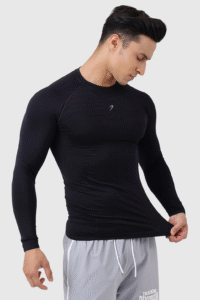
A gym compression t shirt is a performance garment made from stretchable, snug-fitting fabric that hugs your body. Unlike regular T-shirts, which are loose and casual, compression shirts provide a tight fit that supports muscles during movement. They are engineered with specific benefits in mind — improving blood flow, reducing muscle oscillation, and helping with proprioception (the body’s awareness of position and movement).
Fit and Function: How They Feel Different
Compression T-Shirts — Supportive, Snug, Active
A gym compression t shirt fits like a second skin. That tightness is purposeful:
- Wraps around muscles to provide support
- Reduces movement of muscle tissue during exercise
- Improves posture and alignment during lifts
The snug fit doesn’t restrict motion — instead, it creates a stable feeling that many athletes prefer for high-impact activities or strength sessions. It’s this tension against muscles that sets compression apart from casual wear.
Regular T-Shirts — Comfortable, Loose, Everyday
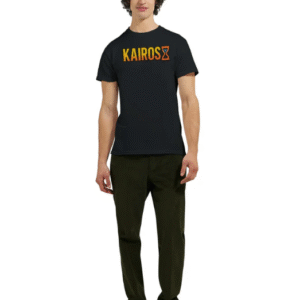
A regular T-shirt, on the other hand, is designed for comfort and everyday wear. It hangs loosely and doesn’t exert pressure on your body:
- Comfortable for casual wear
- Great for warm-ups or cool-downs
- Easy to throw on before errands or light activity
But this loose fit doesn’t provide the same level of physical support during demanding workouts.
Performance and Support: What’s the Difference?
Muscle Support and Fatigue
Compression gear is engineered to support muscles during movement. The tight fit of a gym compression t shirt:
- Helps reduce microscopic muscle oscillations
- Limits fatigue during extended sessions
- Improves stability in dynamic movements
Regular T-shirts don’t offer this benefit. They remain loose, which is fine for lounging or warming up, but they don’t actively contribute to muscle performance or fatigue resistance.
Temperature and Sweat Control
Gym Compression T-Shirts — Engineered for Moisture
Compression T-shirts from Fuaark are typically made from technical fabrics that wick sweat away from your skin. They:
- Move moisture to the outer layer of the fabric
- Help keep you dry as you work out
- Improve airflow and breathability compared to cotton
These performance fabrics help regulate body temperature, which is especially useful during high-intensity or longer training sessions.
Regular T-Shirts — Cotton Comfort, Less Performance
Most regular T-shirts — especially basic cotton ones — absorb sweat rather than move it away. That can lead to:
- Clinginess during workouts
- Heavy feeling as sweat lingers
- Greater skin irritation over time
For short or low-intensity workouts, this may not be a problem — but for hard training days, moisture-managed gear helps keep you comfortable and focused.
Movement and Range of Motion
Compression Fit Enhances Movement
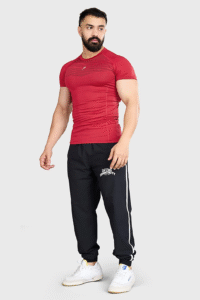
It might seem counterintuitive, but a snug gym compression t shirt actually supports movement by:
- Reducing excess fabric that can catch or flap
- Creating a “body-aware” fit that moves with you
- Providing proprioceptive feedback that helps coordination
This makes compression ideal for high-range or explosive movements like burpees, box jumps, squats, or sprinting.
Regular T-Shirts Offer Casual Comfort
Loose T-shirts offer plenty of room and a relaxed feel, but they can get in the way during certain moves:
- Fabric may catch on equipment
- Excess material can distract during dynamic exercises
- Movement feedback is limited
A regular tee is comfortable and easygoing, but for range of motion and performance, compression has the edge.
Recovery and Performance Benefits
One of the lesser-known advantages of compression wear is its impact on recovery. A gym compression t shirt doesn’t just support you during training — the snug fit can help with:
- Improved circulation
- Reduced post-workout inflammation
- Faster muscle recovery
These benefits are rooted in compression’s ability to enhance blood flow and limit muscle sway, which helps reduce the microtrauma muscles experience during heavy or repetitive activity.
Style and Versatility: How They Compare
Gym Compression T-Shirts — Performance First
Compression tops are inherently athletic in look and feel. They highlight muscle lines and give a structured silhouette that many gym-goers prefer on training days. They also work well layered under hoodies or jackets when you’re on the go.
Regular T-Shirts — Everyday Ease
Regular T-shirts transition easily from gym to errands, chill days, or casual hangouts. They’re versatile in outfits that don’t require performance features. But if you’re focused on training outcomes, style alone shouldn’t be the deciding factor — function matters.
Choosing Based on Your Workout Style
Different activities benefit from different gear. Here’s how to think about your choice:
For Strength and Heavy Lifting
A gym compression t shirt enhances stability, supports muscle control, and helps with posture — making it ideal for compound movements and loaded lifts.
For Cardio and Endurance
Moisture management and breathability in compression wear keep sweat under control and body temperature regulated during long runs or bike sessions.
For Functional and Explosive Training
Compression fabric moves with you, reduces wind resistance, and helps maintain focus — perfect for plyometrics, HIIT, or circuit training.
Final Thoughts
Understanding the difference between a gym compression t shirt and a regular T-shirt helps you make a smarter choice for your workouts. Compression gear is engineered to enhance performance, manage sweat, support muscle function, and even aid in recovery. Regular T-shirts are comfortable and versatile for everyday wear, but they don’t provide the same level of performance support.