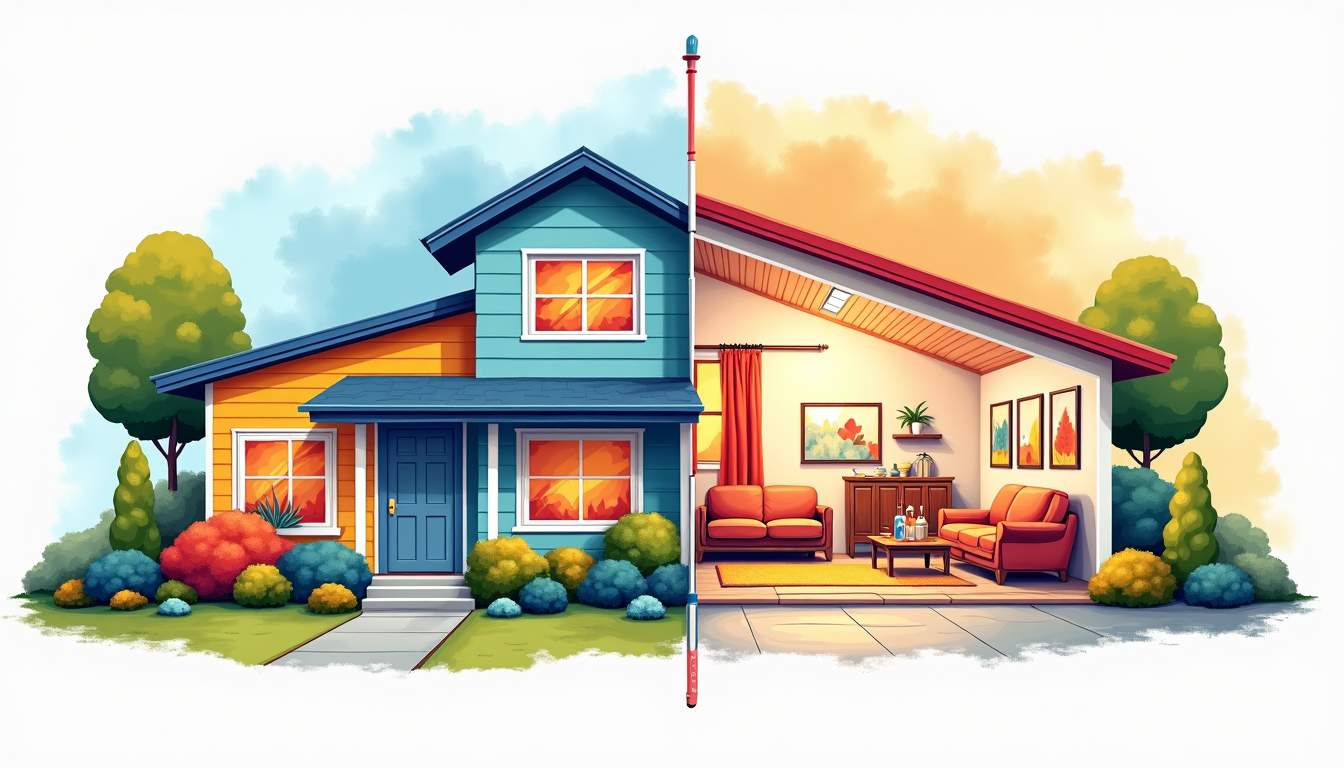
Imagine standing in front of your house, paintbrush in hand, wondering where to start. Should you tackle the outside first, or is it better to refresh the inside? Painting is one of the most impactful ways to transform a home, but deciding whether to focus on exterior or interior surfaces can be tricky. Each choice comes with its own set of challenges, benefits, and timing considerations.
Understanding the Purpose of Exterior Painting
Exterior painting isn’t just about aesthetics. It’s a crucial part of protecting your home from the elements. Sun, rain, wind, and temperature swings can all wear down siding, trim, and other surfaces over time. A fresh coat of exterior paint acts like a shield, preventing moisture from seeping into wood and causing rot or mold. This protective layer not only enhances the visual appeal of your home but also extends the lifespan of your exterior materials, allowing you to maintain the integrity of your investment.
Choosing the right paint for outside surfaces matters. Exterior paints are formulated to resist fading, cracking, and peeling under harsh weather conditions. They often contain additives that protect against mildew and UV damage. Skimping on quality here can lead to costly repairs down the line. Additionally, the color you choose can influence your home’s energy efficiency; lighter colors reflect sunlight, potentially keeping your home cooler in the summer, while darker shades can absorb heat, which may be beneficial in colder climates. For professional results, you can visit Painting Service Singapore for reliable expertise.
When to Paint the Exterior
Timing is key for exterior painting. The ideal window is during mild, dry weather. Too much humidity or rain can prevent paint from adhering properly. Similarly, painting in extreme heat or cold can cause uneven drying and poor finish. Spring and early fall often offer the best conditions. It’s also wise to check the long-term weather forecast to ensure that there are no unexpected storms on the horizon that could disrupt your project.
Look for signs that your exterior needs a refresh: peeling paint, faded color, or visible wood damage. If you notice any of these, it’s time to plan your project sooner rather than later. Waiting too long can allow moisture to penetrate and cause structural issues. Regular maintenance checks can help you catch these problems early. Consider inspecting your home every couple of years, especially after severe weather events, to ensure that your exterior remains in optimal condition. This proactive approach not only saves you money in the long run but also keeps your home looking its best for years to come.
Why Interior Painting Deserves Attention
Interior painting changes the feel of your home instantly. It’s a way to express personality, create mood, and even influence how spacious or cozy a room feels. Unlike exterior paint, interior paint doesn’t have to battle the elements but must withstand wear and tear from daily life. The choice of color can evoke emotions; for instance, soft blues and greens can create a calming atmosphere, while vibrant reds and yellows can energize a space. This emotional connection to color is why many homeowners spend considerable time selecting the perfect palette for their interiors.
Choosing the right interior paint finish is important. For high-traffic areas like hallways and kitchens, washable and durable paints with satin or semi-gloss finishes work best. Bedrooms and living rooms often benefit from matte or eggshell finishes that reduce glare and hide imperfections. Additionally, it’s essential to consider the lighting in each room, as natural and artificial light can significantly alter how colors appear. A color that looks stunning in the store may appear entirely different once applied to your walls, which is why testing samples in various lighting conditions is a crucial step in the decision-making process.
When to Paint the Interior
Interior painting can be done year-round, but consider your lifestyle and schedule. Painting rooms that are heavily used may require more planning to avoid disruption. Also, ventilation is important when painting indoors to reduce fumes and speed drying. It’s advisable to open windows and use fans to circulate air, ensuring a safer and more comfortable environment while the paint dries. Furthermore, timing your painting project around holidays or family gatherings can help you avoid the chaos of a home in disarray.
Many homeowners choose to paint interior spaces during renovations or before moving in. However, even a simple color update can refresh a tired room and increase your home’s appeal. Seasonal changes can also inspire new color choices; for example, warm, earthy tones may feel inviting in the fall, while bright, airy hues can bring a sense of freshness in the spring. Beyond aesthetics, interior painting can also serve a practical purpose, such as covering up stains or marks that accumulate over time, thus preserving the integrity and value of your home. Engaging in this creative endeavor not only enhances your living space but also allows you to take pride in the personal touches that reflect your unique style.
Comparing Costs and Effort: Exterior vs Interior Painting
Painting the exterior of a home usually requires more preparation and equipment. Power washing, scraping old paint, repairing damaged siding, and using ladders or scaffolding add time and complexity. Because of this, exterior painting often costs more than interior work.
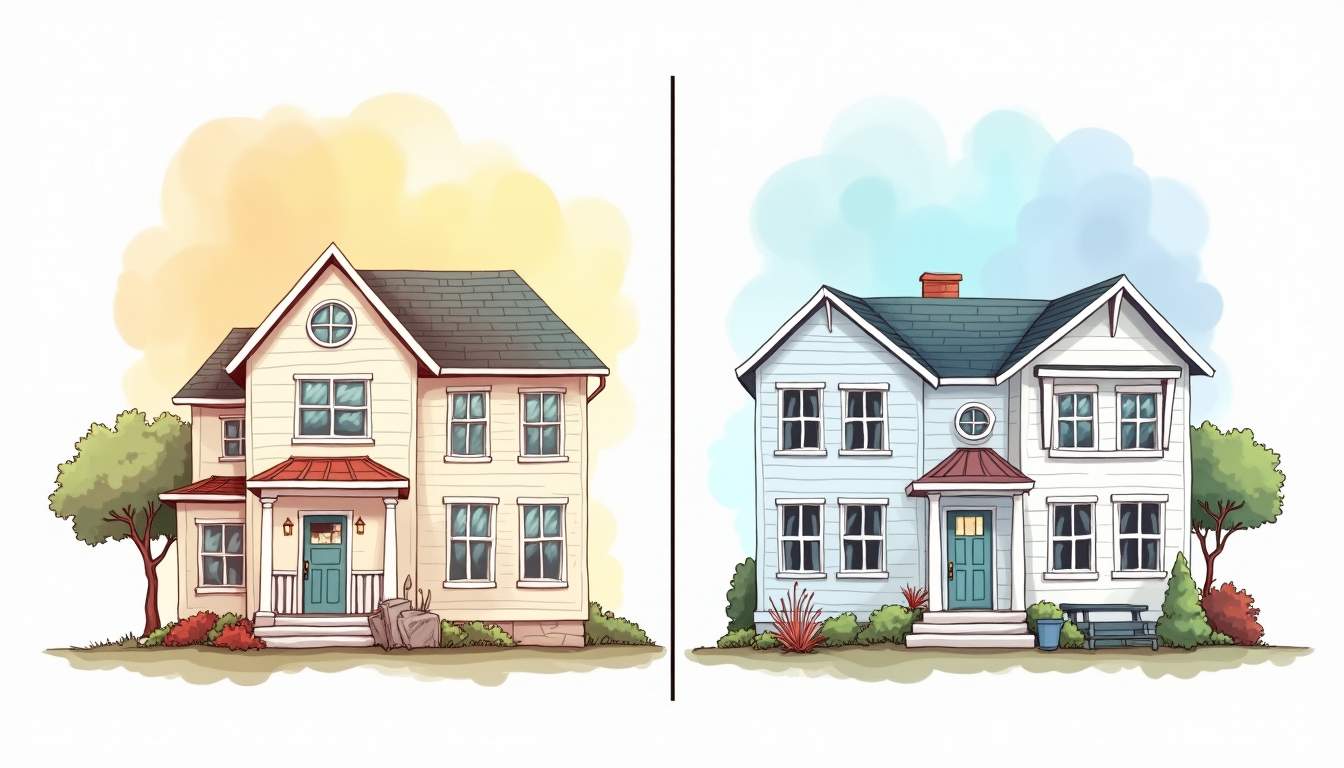
Interior painting tends to be less labor-intensive but demands careful attention to detail. Protecting furniture, taping edges, and ensuring smooth coverage on walls and ceilings can be time-consuming. Still, it’s generally easier to control the environment indoors, which helps with consistent results.
DIY or Hire a Pro?
Deciding whether to paint yourself or hire professionals depends on your skill level, time availability, and the project’s scope. Exterior painting can be risky without experience, especially when working at heights or handling extensive prep work. Professionals bring expertise, tools, and efficiency that often justify the cost.
For interior painting, many homeowners successfully tackle smaller rooms on their own. However, larger projects or intricate details like trim and molding might benefit from a pro’s touch to ensure a flawless finish.
Moreover, the choice between DIY and professional services can also hinge on the desired outcome. If you’re looking for a quick refresh, a DIY approach might suffice, but for a high-quality, long-lasting result, hiring a professional can make a significant difference. Professionals not only have the right tools but also the experience to navigate common pitfalls, such as paint drips or uneven coverage, which can detract from the overall appearance. Additionally, they can offer color consultations and help you choose the right type of paint for your specific needs, ensuring that your investment stands the test of time.
Another factor to consider is the seasonal timing of your painting project. Exterior painting is often best done in mild weather, as extreme temperatures can affect paint adhesion and drying times. This can lead to scheduling challenges if you’re attempting a DIY project. On the other hand, interior painting can be done year-round, but it’s wise to plan around your household’s activities to minimize disruption. Taking the time to prepare adequately, whether you choose to DIY or hire a pro, can ultimately lead to a more satisfying and successful painting experience.
How to Decide Which to Paint First
Prioritizing between exterior and interior painting depends on your home’s condition and your goals. If your siding is peeling or the outside looks weather-beaten, addressing the exterior first protects your investment. On the other hand, if your interior walls are dull or you’re preparing to sell, freshening up inside might take precedence. A well-maintained exterior not only enhances curb appeal but also contributes to the overall longevity of your home’s structure. Cracked paint can lead to moisture infiltration, which may result in costly repairs down the line.
Consider your budget and timeline as well. Exterior projects often require more upfront cost and longer drying times. Interior painting can usually be completed faster and with less disruption. Additionally, think about the type of paint you plan to use; high-quality exterior paints are designed to withstand the elements, while interior paints often focus on aesthetics and ease of cleaning. This distinction can also influence your decision, as some paints may require specific conditions for application and drying.
Seasonal Considerations
Weather plays a major role in scheduling exterior painting. If you live in a climate with harsh winters, it’s best to complete exterior work before cold weather sets in. Interior painting can fill the downtime during colder months when outside conditions aren’t favorable. Furthermore, consider the humidity levels in your area, as high humidity can extend drying times and affect the finish of your paint. Spring and fall are often ideal seasons for exterior work, as temperatures are moderate, and the likelihood of rain is lower, allowing for a smoother painting process.
In addition to weather, seasonal events can also impact your painting schedule. For instance, if you plan to host gatherings during the summer, you might want to prioritize interior painting to create a welcoming atmosphere for guests. Conversely, if you have outdoor activities planned, completing the exterior work first can ensure your home looks its best while you enjoy the outdoors. Taking these factors into account can help you create a more strategic and effective painting plan that aligns with your lifestyle and home maintenance needs.
Final Thoughts
Painting is more than just a cosmetic update. It’s about protecting your home, enhancing comfort, and creating a space you enjoy. Whether you start with the outside or inside, understanding the unique needs of each will help you make the best decision.
Keep in mind the condition of your home, your lifestyle, and the time of year. With the right approach, your painting project will breathe new life into your home and provide lasting benefits.