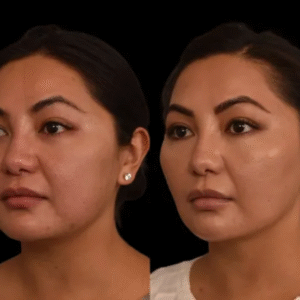
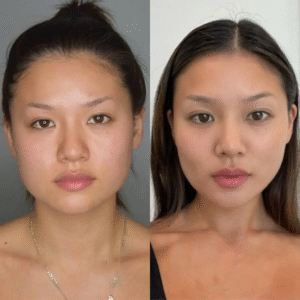
Dark spots on lips are a common yet often overlooked skin concern. While many people focus on facial skincare, lip health tends to receive less attention—until discoloration appears. Dark or pigmented patches on the lips can affect confidence, smile aesthetics, and overall appearance.
The good news is that dark spots on lips are usually treatable and, in many cases, preventable. Understanding the underlying causes is the first step toward restoring your lips’ natural color and softness.
This comprehensive guide explores why dark spots appear on lips, how to treat them effectively, and what preventive steps you can take to maintain healthy, pink lips long-term.
What Are Dark Spots on Lips?
Dark spots on lips refer to areas of hyperpigmentation where the lip skin becomes darker than its natural tone. These spots may appear brown, purple, black, or deep red and can develop gradually or suddenly depending on the cause.
Lip skin is thinner and more sensitive than facial skin, making it more vulnerable to environmental damage, irritation, and pigmentation changes.
Common Causes of Dark Spots on Lips
Understanding the cause helps determine the most effective treatment.
1. Sun Exposure
Excessive sun exposure stimulates melanin production. Since lips lack protective melanin compared to other skin areas, they darken quickly when exposed to UV rays without protection.
2. Smoking and Tobacco Use
Nicotine and heat from cigarettes reduce blood circulation and increase melanin production, leading to darkened lips over time.
3. Dehydration and Dry Lips
Chronic dryness can cause lips to crack and heal repeatedly, triggering pigmentation as part of the skin’s repair process.
4. Allergic Reactions
Lipsticks, lip balms, toothpaste, and mouthwash may contain allergens or harsh chemicals that irritate the lips and cause discoloration.
5. Hormonal Changes
Pregnancy, menopause, or hormonal imbalances may trigger pigmentation changes, including dark spots on lips.
6. Medical Conditions
Conditions such as anemia, vitamin deficiencies (B12, iron), or autoimmune disorders can affect lip color.
7. Poor Lip Care Habits
Lack of exfoliation, excessive lip licking, and using expired cosmetics contribute to lip darkening.
Types of Lip Pigmentation
- Diffuse Pigmentation: Entire lip appears darker
- Localized Dark Spots: Small patches or spots
- Post-Inflammatory Pigmentation: After injury or irritation
- Smoker’s Lips: Uneven darkening due to smoking
Identifying the type helps choose the right treatment method.
How to Treat Dark Spots on Lips
Home Remedies
Home remedies are gentle and suitable for mild pigmentation.
- Honey and Lemon: Natural exfoliation and lightening
- Aloe Vera Gel: Soothes irritation and reduces melanin
- Beetroot Juice: Enhances natural lip color
- Coconut Oil: Deep hydration and repair
- Sugar Scrub: Removes dead skin cells
Consistency is key—results appear gradually.
Over-the-Counter Treatments
- Lip Balms with SPF
- Vitamin C-Infused Products
- Kojic Acid or Licorice Extract Lip Creams
- Niacinamide-Based Formulas
Always patch test before regular use.
Professional Treatments
For stubborn pigmentation:
- Chemical peels
- Laser therapy
- Prescription topical creams
These should only be done under medical supervision.
Natural Ingredients That Help Lighten Lips
- Shea Butter
- Rosehip Oil
- Almond Oil
- Turmeric (in small amounts)
- Cucumber Extract
These nourish lips while gradually improving tone.
Lifestyle Changes for Healthier Lips
- Quit smoking
- Drink adequate water
- Eat a nutrient-rich diet
- Remove lip makeup before sleeping
- Use lip sunscreen daily
Healthy habits accelerate treatment results.
How Long Does It Take to See Results?
- Mild pigmentation: 2–4 weeks
- Moderate pigmentation: 1–3 months
- Severe pigmentation: 3–6 months or longer
Results vary based on cause, consistency, and treatment type.
When to See a Doctor
Consult a professional if:
- Pigmentation worsens rapidly
- Spots are painful or bleeding
- Color change is accompanied by fatigue or illness
- Home remedies show no improvement after 3 months
Early diagnosis prevents underlying issues from worsening.
Prevention Tips for Dark Spots on Lips
- Use SPF lip balm daily
- Avoid smoking and excessive caffeine
- Stay hydrated
- Avoid cheap or expired lip products
- Exfoliate lips gently once or twice a week
Prevention is always easier than treatment.
Myths and Misconceptions
- “Dark lips are permanent” – False
- “Only smokers get dark lips” – False
- “Scrubbing hard lightens lips faster” – Harmful myth
Gentle care always works better.
Frequently Asked Questions (FAQ)
1. Are dark spots on lips dangerous?
Usually no, but sudden or severe changes should be evaluated by a doctor.
2. Can dark spots on lips be removed permanently?
Yes, with proper treatment and prevention, pigmentation can fade significantly.
3. Does lip balm really help?
Yes, especially those with SPF and moisturizing ingredients.
4. Can vitamin deficiency cause dark lips?
Yes, deficiencies in iron and vitamin B12 are common causes.
5. Is laser treatment safe for lips?
When done by professionals, it is generally safe and effective.
Final Thoughts
Dark spots on lips Near me may seem like a small cosmetic issue, but they often reflect deeper lifestyle habits and skin health concerns. The key to achieving naturally pink, healthy lips lies in understanding the cause, choosing the right treatment, and maintaining preventive care. With patience, consistency, and the right approach, dark spots on lips can fade—restoring not just your lip color, but also your confidence.