Myopia, commonly known as nearsightedness, is one of the most prevalent vision conditions worldwide. In Singapore, the rate of myopia is among the highest globally, particularly among school-aged children. Myopia control in Singapore refers to strategies and treatments designed to slow down the progression of nearsightedness. These methods are crucial in preventing severe complications later in life, such as retinal detachment, glaucoma, and macular degeneration.
In recent years, eye care professionals in Singapore have placed strong emphasis on myopia management programs. Parents are becoming more aware of the importance of early detection and intervention to ensure long-term visual health for their children.
Causes and Risk Factors of Myopia
Genetic Factors
Family history plays a significant role in myopia development. Children with one or both parents who are nearsighted are at a higher risk of developing the condition themselves. In Singapore, genetic predisposition is one of the main contributing factors to the country’s high myopia rates.
Environmental and Lifestyle Factors
Urban environments, limited outdoor activities, and excessive near work such as reading or screen use can increase the risk of myopia. Children who spend more time indoors, especially in academic or digital activities, tend to develop myopia earlier and experience faster progression.
Age of Onset
Myopia often begins during childhood and can progress through the teenage years. Early onset is associated with higher myopia levels in adulthood. This makes early monitoring and management essential.
The Importance of Myopia Control in Singapore
Preventing Severe Eye Conditions
High myopia increases the risk of serious eye diseases, including cataracts and retinal issues. By managing myopia progression during childhood, the chances of developing these complications in adulthood can be reduced significantly.
Enhancing Quality of Life
Children with uncorrected or poorly managed myopia may face difficulties in school and daily activities. Effective myopia control ensures clearer vision, better academic performance, and improved overall well-being.
Addressing a Growing Public Health Issue
Singapore’s urban lifestyle and academic intensity have contributed to a national concern regarding childhood myopia. Public health initiatives now encourage regular eye checks, outdoor play, and early myopia management to combat this issue effectively.
Common Myopia Control Methods in Singapore
Orthokeratology (Ortho-K) Lenses
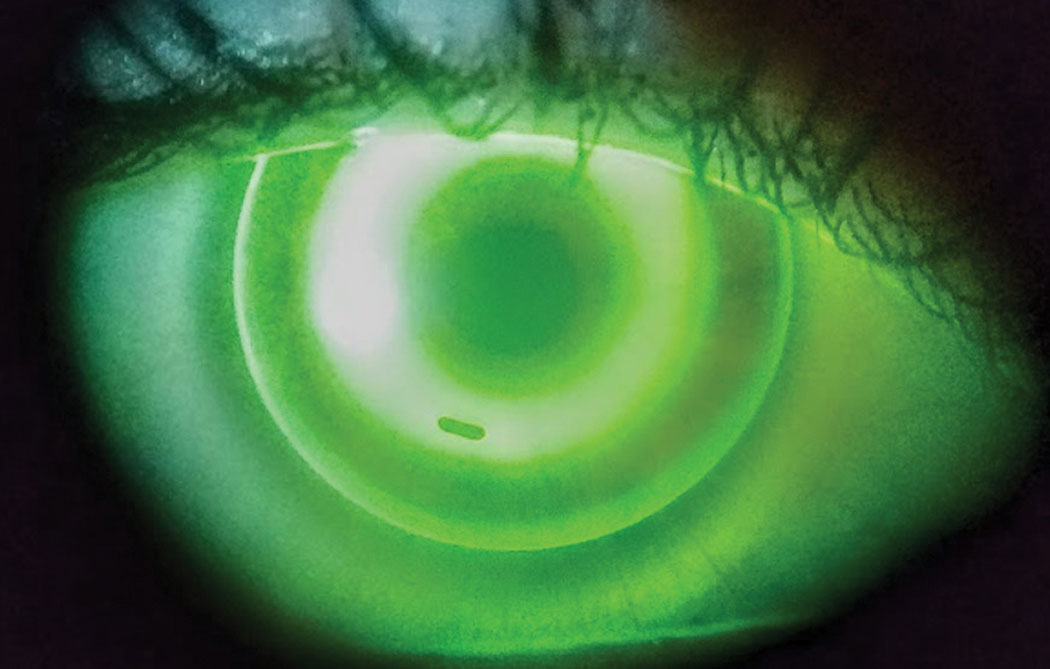
Orthokeratology, or Ortho-K, involves wearing specially designed contact lenses overnight to reshape the cornea temporarily. This provides clear daytime vision without glasses while also slowing the progression of myopia in children. Ortho-K is becoming increasingly popular in Singapore due to its effectiveness and non-invasive nature.
Atropine Eye Drops
Low-dose atropine eye drops have been proven to reduce myopia progression in children. This treatment is safe, simple to apply, and widely used across eye clinics in Singapore. It is usually prescribed after a thorough eye examination by an optometrist or ophthalmologist.
Multifocal Contact Lenses
Multifocal contact lenses are designed to reduce eye strain and control the elongation of the eyeball, which causes myopia. These lenses help balance vision correction and myopia management, providing both clarity and comfort.
Increased Outdoor Time
Studies show that spending more time outdoors—at least two hours daily—can reduce the onset and progression of myopia. Natural light exposure and distance viewing help the eyes relax and maintain healthy vision development.
Lifestyle and Visual Hygiene
Encouraging proper screen habits, taking regular breaks from near work, and maintaining good lighting conditions during study or reading are simple yet effective measures to manage myopia. Many schools in Singapore now promote visual hygiene education as part of their health programs.
Myopia Control for Children and Adults
Early Intervention for Children
Myopia typically begins in childhood, making early detection essential. Regular eye exams from the age of six can help identify early signs of nearsightedness. Eye care professionals may recommend a combination of treatments, including Ortho-K lenses or atropine therapy, depending on the child’s eye health and lifestyle.
Ongoing Management for Teenagers
Teenagers often experience rapid changes in their vision due to growth and academic pressure. Continued myopia control treatments can help slow this progression. Regular monitoring ensures the chosen method remains effective over time.
Myopia Control in Adults
While myopia control is most effective during childhood, adults can still benefit from managing their eye health. Regular eye check-ups and lifestyle adjustments can help prevent further deterioration or complications related to high myopia.
The Role of Eye Care Professionals in Singapore
Optometrists and ophthalmologists in Singapore play a crucial role in diagnosing and managing myopia. They use advanced diagnostic tools to assess eye health, measure refractive errors, and determine the best control strategy. Personalized treatment plans are often developed based on age, lifestyle, and family history.
Many clinics also provide myopia education programs for parents and children to raise awareness of the importance of consistent eye care. These programs often include advice on daily habits, screen use, and outdoor activity guidelines.
Future of Myopia Management in Singapore
As technology advances, the field of myopia control continues to evolve. Research in Singapore is focusing on developing innovative lenses, new pharmacological treatments, and better diagnostic methods to predict myopia progression. The goal is to create more effective, accessible, and long-term solutions for the population.
Government health initiatives and school vision screening programs are also expected to expand, ensuring early detection and management for every child. The combined efforts of healthcare professionals, educators, and parents are shaping a future with better eye health awareness.
Conclusion
Myopia control is a growing priority in Singapore, especially with the rising rates of nearsightedness among children. Through early intervention, consistent monitoring, and lifestyle adjustments, it is possible to slow down the progression of myopia and maintain healthy vision for life. Whether through Ortho-K lenses, atropine drops, or simple daily habits like spending more time outdoors, effective myopia management starts with awareness and timely action.
Taking proactive steps today can make a lasting difference for the next generation’s eye health in Singapore.