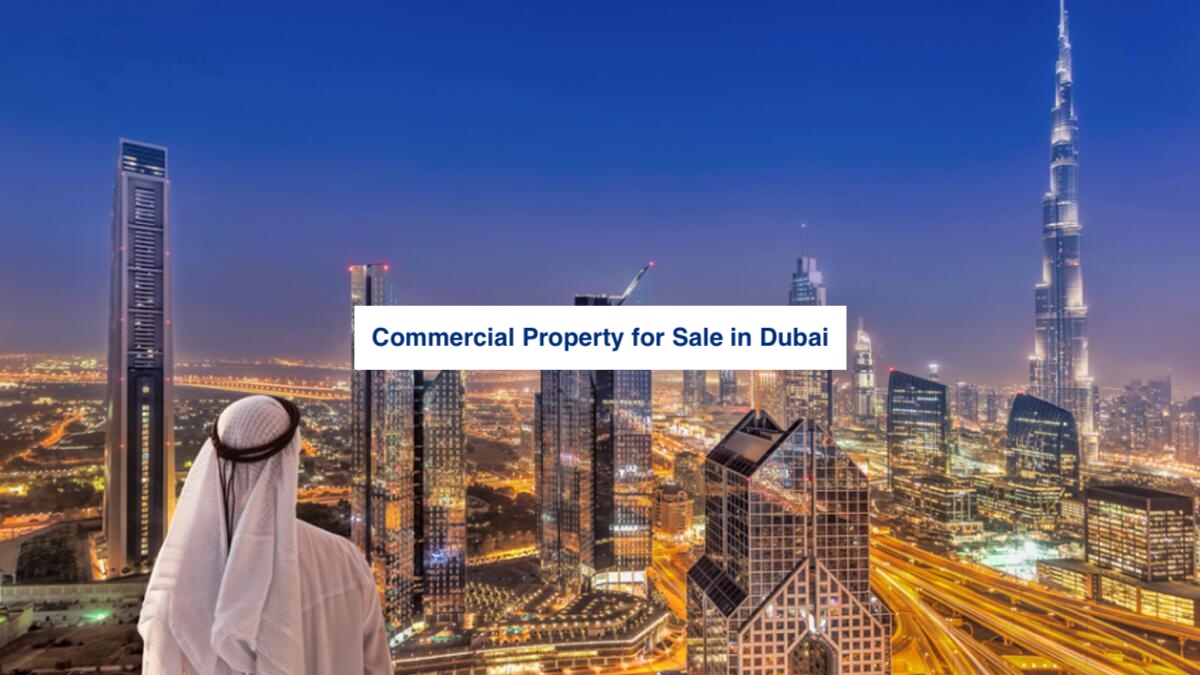
Dubai stands as one of the world’s most dynamic commercial hubs. With a growing economy, modern infrastructure, and investor-friendly policies, the city continues to attract businesses and property investors from around the globe. Understanding how to approach commercial property for sale in Dubai is essential for making informed decisions in this competitive market.
Overview of Dubai’s Commercial Real Estate Market
Dubai’s commercial property market is diverse and strategically developed to meet global business demands. Investors can find a wide range of properties, including office spaces, retail outlets, warehouses, and mixed-use developments.
The City’s Economic Strength
Dubai’s strong economy is supported by trade, tourism, technology, and finance sectors. Its position as a global business center attracts multinational corporations, startups, and entrepreneurs. The demand for commercial properties continues to grow as more companies establish their regional headquarters here.
Freehold and Leasehold Zones
Investors can purchase commercial properties in either freehold or leasehold zones. Freehold areas allow complete ownership for foreign investors, while leasehold properties provide long-term leasing rights. Popular freehold zones include Business Bay, Downtown Dubai, Jumeirah Lake Towers (JLT), and Dubai Silicon Oasis.
Types of Commercial Properties in Dubai
Commercial properties in Dubai are available in various forms, each designed for specific business activities. Understanding these categories helps investors choose the right property for their needs.
Office Spaces
Office spaces are among the most sought-after commercial properties. They range from small units for startups to large corporate floors for multinational companies. Locations like DIFC, Business Bay, and Sheikh Zayed Road offer modern facilities and connectivity.
Retail Outlets
Retail properties in Dubai are ideal for businesses looking to capitalize on the city’s thriving consumer market. Shops located in malls, commercial towers, and community centers provide high visibility and customer traffic. Areas like Dubai Marina, Downtown Dubai, and JBR are popular for retail investments.
Warehouses and Industrial Units
Dubai’s logistics and industrial sectors are growing rapidly. Warehouses and industrial spaces in zones such as Dubai Industrial City and Jebel Ali Free Zone support manufacturing, storage, and distribution businesses. These areas offer strategic proximity to ports and transport networks.
Mixed-Use Developments
Mixed-use properties combine commercial and residential features, offering flexibility for business operations and investments. These developments are increasingly popular among investors seeking stable returns and high occupancy rates.
Factors to Consider Before Buying Commercial Property in Dubai
Before investing, it is crucial to evaluate several factors that influence the property’s value and future potential.
Location and Accessibility
Location remains the most significant factor in commercial property investment. Properties in central or business districts tend to have higher demand and rental yields. Accessibility via metro lines, highways, and airports enhances a property’s appeal.
Regulatory Framework
Dubai’s property market operates under a transparent legal system regulated by the Dubai Land Department (DLD) and Real Estate Regulatory Authority (RERA). Investors should ensure that all documentation, ownership rights, and permits comply with local regulations.
Market Trends and ROI
Understanding market trends helps investors make better decisions. Average rental yields for commercial properties in Dubai range between 6% and 9%, depending on the area and type of property. Analyzing demand, future development plans, and infrastructure projects can guide long-term strategies.
Property Maintenance and Management
Ongoing maintenance and professional property management are vital for preserving value. Investors should plan for service charges, maintenance fees, and management costs, especially for larger or shared facilities.
Legal Process of Buying Commercial Property in Dubai
The process of purchasing commercial real estate in Dubai is structured and straightforward when handled correctly.
Step 1: Property Selection and Offer
Once the right property is identified, the buyer submits an offer to the seller. After negotiations, both parties agree on the sale price and terms.
Step 2: Signing the Sale Agreement
A Memorandum of Understanding (MOU) is drafted, outlining the payment structure, transfer conditions, and timelines. This document is signed by both the buyer and seller, and a deposit (usually 10%) is paid.
Step 3: No Objection Certificate (NOC)
The developer issues a No Objection Certificate confirming that there are no outstanding dues on the property. This step ensures the property is clear for transfer.
Step 4: Title Deed Registration
The final step involves registering the property at the Dubai Land Department. Once the title deed is issued, the buyer officially becomes the legal owner of the commercial property.
Benefits of Investing in Commercial Property in Dubai
Dubai’s property market offers several advantages that make it a global investment destination.
High Return on Investment
Compared to other major cities, Dubai provides competitive rental yields and long-term capital appreciation. Strategic locations often guarantee steady occupancy and income.
Business-Friendly Environment
Dubai’s tax-free regime, advanced infrastructure, and streamlined regulations make it one of the most business-friendly cities in the world. The availability of free zones further attracts foreign investors looking for operational benefits.
World-Class Infrastructure
The city’s transport, communication, and utility networks support commercial activities seamlessly. Ongoing projects like new metro expansions and business parks continue to boost the property sector.
Safe and Transparent Market
Dubai maintains a transparent real estate market, regulated by strict laws that protect investors and tenants alike. The presence of DLD and RERA ensures fairness and accountability.
Future Outlook for Dubai’s Commercial Property Market
Dubai’s commercial real estate sector shows consistent growth potential. With major projects like Expo legacy developments and continuous economic diversification, demand for quality commercial spaces is expected to rise. The city’s ambition to become a leading global business hub ensures that investment in commercial property remains promising.
Sustainable and Smart Developments
The future of Dubai’s commercial property market also includes sustainability and technology integration. Smart buildings, energy-efficient designs, and green certifications are becoming essential in new developments.
Expanding Investment Opportunities
As Dubai continues to attract international investors, new zones and commercial districts are being developed. These emerging areas offer more affordable options with strong growth prospects.