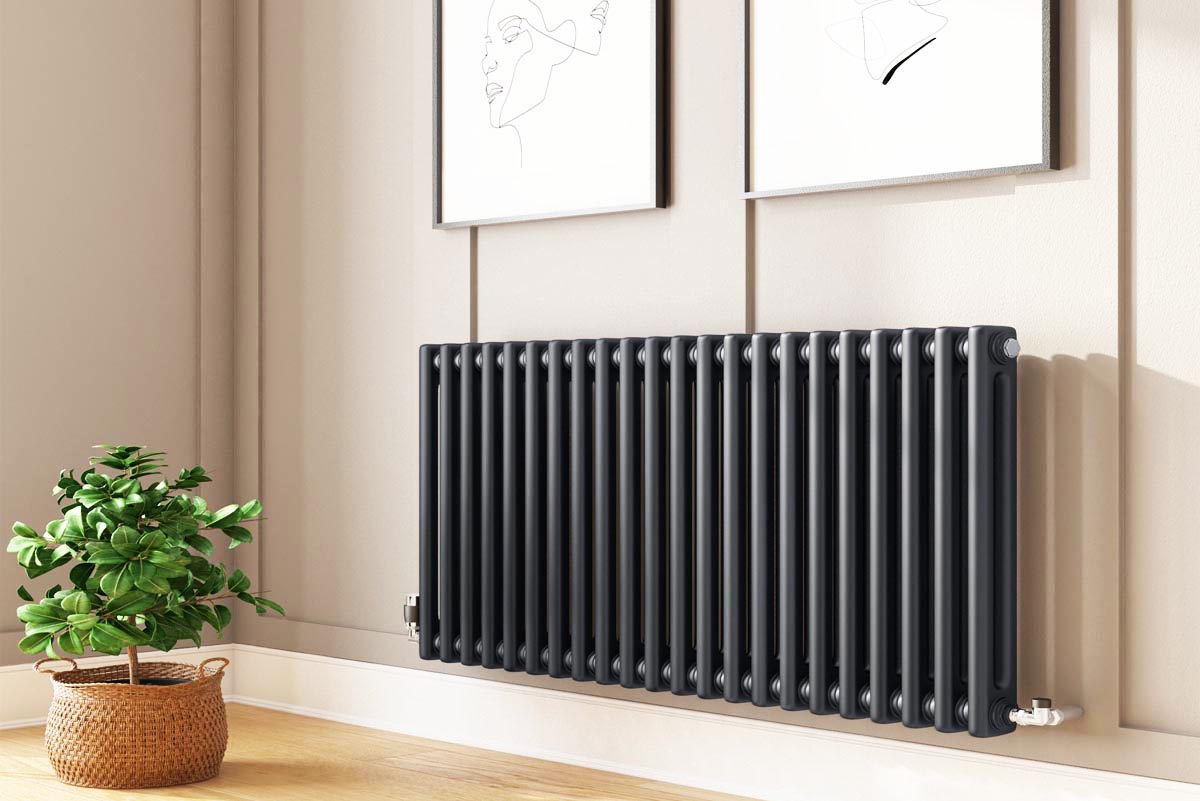
You’ve spent weeks browsing radiators online, comparing styles, calculating BTUs, and imagining how that sleek black vertical model will transform your living room. Then the installer arrives, takes one look at your walls, and everything you thought you knew gets complicated. The radiator that looked perfect in your Pinterest board suddenly requires structural reinforcement, pipe rerouting, or wall modifications that weren’t part of your original plan or budget. Understanding installation realities before you commit to specific radiator types saves you from these expensive surprises and helps you make choices that actually work in your home, not just in your imagination.
Why Installation Complexity Varies So Dramatically
Most people assume installing a radiator is installing a radiator, with minor variations that don’t really matter. This assumption costs homeowners hundreds or thousands in unexpected expenses every year. The truth is that different radiator types place completely different demands on your walls, pipework, heating system, and even your floor structure. What works perfectly in one scenario becomes problematic or impossible in another.
Weight stands out as the most obvious differentiator. A compact aluminium radiator might weigh eight kilos. The cast iron radiator delivering equivalent heat output could weigh eighty kilos or more. Your wall doesn’t care about aesthetics or heating efficiency. It cares whether it can support that weight for the next twenty years without the fixings pulling loose or the plaster cracking. Modern stud walls with plasterboard over timber frames handle light radiators easily but struggle with heavy cast iron without reinforcement. Solid brick or blockwork walls accept almost anything, though even these need appropriate fixings matched to the radiator’s weight and the wall material’s load-bearing capacity.
Connection types create another layer of complexity that catches people off guard. Most modern radiators use bottom connections where pipes enter from below, keeping pipework hidden and creating clean visual lines. Some designs use side connections, particularly traditional column radiators and cast iron models. Older homes often have pipes rising from floors or emerging from walls at specific heights that might not align with your chosen radiator’s connection points. Mismatches mean rerouting pipes, which means cutting into walls or floors, which means additional labor costs and disruption you didn’t anticipate.
System compatibility issues lurk beneath the surface, literally. Your existing heating system’s pressure, water chemistry, and pipe configuration might work beautifully with some radiator types while causing problems with others. Mixing metals in heating systems can trigger galvanic corrosion where electrical currents form between dissimilar metals, gradually destroying components from the inside. Older systems might lack the pressure capacity for modern high-efficiency radiators. These aren’t problems you can see by looking at your current radiators, but they’ll become expensive problems once you install incompatible replacements.
The Lightweight Advantage and Its Hidden Complications
Aluminium radiators present the easiest installation scenario from a structural perspective because they weigh so little compared to other options. A radiator you can lift with one hand doesn’t need heavy-duty wall fixings or structural reinforcement. Standard plasterboard fixings work fine on modern stud walls, and installation on solid walls requires only basic masonry fixings that any competent DIYer could handle. The lightweight construction means less stress on aging wall structures, making aluminium an excellent choice for older properties where you’re uncertain about wall strength.
The installation advantages extend beyond just weight. Aluminium radiators typically come with straightforward mounting brackets and standardized connection points that follow industry conventions. Your installer won’t spend extra time fabricating custom mounting solutions or struggling with awkward connection angles. This simplicity translates directly into lower labor costs. What might take two hours with a complex cast iron radiator could be done in forty-five minutes with an aluminium equivalent, saving you fifty to a hundred pounds on installation fees.
However, the lightweight characteristic that makes installation easy also creates potential issues if you’re not careful. Aluminium radiators can’t tolerate the same rough handling as heavier cast iron or steel models. Overtightening valve connections can crack the radiator body or strip threads, leading to leaks that might not appear immediately but develop over weeks or months. Your installer needs to understand torque specifications and use appropriate techniques. Cheap installation done carelessly will cost more in the long run than quality work done properly from the start.
The rapid heat-up characteristic of aluminium creates another installation consideration that most guides overlook. Aluminium radiators reach operating temperature quickly, which sounds beneficial but can cause issues in systems not designed for rapid temperature changes. Older heating systems with poorly maintained pumps or restrictive pipework might struggle with the quick demand for heated water that aluminium radiators create. This isn’t a fault of the radiators themselves but a mismatch between radiator characteristics and system capabilities. Upgrading to aluminium radiators throughout your home might require pump upgrades or system balancing that adds to installation complexity and cost.
Steel Radiators and the Middle Ground Installation
Steel radiators in both panel and column configurations represent the installation sweet spot for most homes. They weigh more than aluminium but far less than cast iron, creating manageable installation requirements without extreme measures. Standard wall fixings work for most applications, though larger models or installations on weaker walls benefit from upgraded fixings or additional mounting points.
The connection options with steel radiators provide flexibility that simplifies installation in varied scenarios. Most manufacturers offer both top and bottom connection variants, letting you choose the configuration that best suits your existing pipework. This flexibility reduces the need for expensive pipe rerouting. If your current pipes come up from the floor, choose bottom-connected radiators. If pipes run along walls, side-connected column radiators might work better. Matching radiator connections to existing infrastructure keeps costs down and reduces installation disruption.
Steel’s compatibility with existing heating systems rarely causes problems. British homes have used steel radiators for decades, meaning your heating system almost certainly works happily with steel. You won’t face the chemical compatibility concerns that sometimes arise with aluminium, and you don’t need the system pressure capacity that some modern high-performance radiators demand. This plug-and-play compatibility makes steel radiators the default choice for straightforward replacements where you’re simply updating old radiators without reinventing your entire heating setup.
Panel radiators with convection fins create one installation wrinkle worth mentioning. The fins protrude from the back of the radiator, meaning the unit needs sufficient clearance from the wall. Standard mounting brackets usually provide adequate spacing, but if you’re installing radiators in tight spots or against surfaces with uneven profiles, you might need custom spacing solutions. Column radiators avoid this issue since they mount flat against walls without rear protrusions, though they project further into the room due to their multi-column construction.
Cast Iron: When Installation Becomes a Project
Cast iron radiator installation crosses the line from straightforward home improvement into proper construction work. The weight alone demands careful planning and often structural modifications that multiply both cost and complexity. A large cast iron radiator can easily exceed a hundred kilos, requiring wall reinforcement that might involve opening walls to install additional timber framing or steel supports. Ground floor installations prove simpler since you can potentially support weight through floor fixings, but upper floor installations require absolute confidence in both wall strength and floor joist capacity.
The installation process demands more labor than lighter radiator types. Two-person teams become necessary rather than optional for safety reasons alone. Maneuvering heavy cast iron radiators up stairs, through doorways, and into position requires planning and care that lightweight alternatives don’t demand. This additional labor time costs money, typically adding fifty to two hundred pounds to installation fees compared to equivalent steel or aluminium radiators. Factor these costs into your budget before committing to cast iron.
Pipework complications arise more frequently with cast iron installations. Many cast iron radiators, particularly reclaimed or traditional designs, use different connection sizes and positions compared to modern radiators. Adapters and pipe modifications become necessary, adding both materials cost and installation time. If you’re installing cast iron radiators in a home previously fitted with modern panel radiators, expect significant plumbing work beyond simply swapping one radiator for another.
The installation timeline extends beyond the actual fitting work. Cast iron radiators often require preparation before installation, particularly reclaimed models. Professional restoration including sandblasting, pressure testing, repainting, and valve replacement can take weeks. Even new cast iron radiators might need valve installation and careful inspection before fitting. You can’t simply order cast iron radiators and expect installation the following week. Plan for longer lead times and more complex logistics than lighter modern alternatives.
Despite these complications, cast iron installation delivers one significant long-term benefit. Once properly installed with appropriate structural support, these radiators essentially never need reinstallation. You’re installing something once that will likely outlast your ownership of the property. The upfront installation complexity pays dividends in permanent, reliable heating that won’t require revisiting unless you deliberately choose to replace it decades hence.
Vertical Versus Horizontal: Position Changes Everything
The debate between vertical and horizontal radiators isn’t purely aesthetic. Installation requirements differ substantially based on orientation, affecting both feasibility and cost in ways that might influence your design choices.
Vertical radiators concentrate weight over a smaller wall area compared to horizontal models, requiring stronger fixing points and potentially more robust wall construction. The tall format also means multiple mounting points running vertically up your wall. A two-meter tall vertical radiator might need four separate fixing points to prevent warping or sagging over time. Each fixing point requires appropriate wall plugs or fixings matched to your wall type, and the vertical alignment needs precision to prevent the radiator hanging crooked.
Pipework for vertical radiators often requires more substantial modifications than horizontal installations. Standard British homes have pipes running along walls near floor level or rising from floors beneath windows, positions optimized for horizontal radiators. Installing vertical radiators beside doorways or in alcoves means extending or rerouting pipes to reach the new radiator position. This pipe work adds time and cost but also creates opportunities. Rerouting pipes lets you position radiators where they work best for your room layout rather than accepting inherited positions that made sense in a previous configuration.
Horizontal radiators, particularly ultra-low designs running beneath windows or along entire wall sections, bring their own installation considerations. Long horizontal radiators need multiple support points along their length to prevent sagging in the middle as thermal expansion and contraction cycles stress the material over years. The extended length can also create challenges in tight spaces where maneuvering a three or four-meter radiator through doorways requires removal of door frames or other temporary modifications.
System Pressure and Modern High-Performance Radiators
Some modern radiators deliver impressive heat outputs from compact sizes by operating at higher system pressures than traditional radiators required. These high-performance models work beautifully in newly built homes with systems designed for modern equipment, but retrofitting them into older heating systems can create problems.
Your existing boiler, pump, and pipework might not generate or handle the pressure these radiators need for optimal performance. Installing high-performance radiators without upgrading your heating system means they’ll work, just not at their rated efficiency. You’ll have paid premium prices for performance you can’t actually achieve. Alternatively, upgrading your entire heating system to support these radiators means installation costs that dwarf the radiator purchase prices.
Checking system compatibility before choosing radiators prevents these disappointments. Most radiator manufacturers specify operating pressure requirements. Compare these to your existing system’s capabilities. If uncertain, consult with a heating engineer before ordering. This small upfront investment in professional advice prevents expensive mistakes that only become apparent after installation when your expensive new radiators underperform despite correct installation.
Planning for Future Flexibility
Installation decisions made today affect your options tomorrow. Choosing radiators with non-standard connections, unusual sizes, or obscure manufacturers might save money initially but creates problems when you eventually need replacements or want to reconfigure your heating. Sticking with standard connection types, popular sizes, and established manufacturers means future modifications remain straightforward rather than turning into custom fabrication projects.
Consider how long you plan to stay in your home and whether your heating needs might change. Young couples might later add children and need different heating patterns. Growing families might eventually downsize to smaller properties. Choosing radiator types that offer flexibility for adjustment, relocation, or replacement without major system overhauls provides adaptability as life circumstances change.
Conclusion
Radiator installation involves far more complexity than swapping one metal box for another. Weight, connections, system compatibility, and structural requirements vary dramatically between radiator types, affecting both installation feasibility and cost in ways that should influence your purchasing decisions from the start. Understanding these differences before committing to specific radiator types prevents expensive surprises and helps you choose options that work in your actual home with your actual walls and heating system, not just options that look attractive online. The most beautiful radiator in the world becomes a source of regret if installation problems double your expected costs or create performance issues you’ll live with for years. Choose wisely by considering installation realities alongside aesthetic preferences and heating requirements.