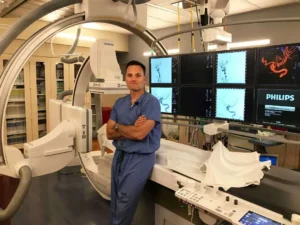
The brain is a marvel of biology, a three-pound universe of thought, emotion, and consciousness powered by an intricate network of blood vessels. When this delicate vascular system is compromised by a sudden blockage, a dangerous bulge, or a malformed tangle the consequences can be devastating and swift. Advanced Neurovascular Care represents the pinnacle of medical intervention for these crises, a specialized field where speed, precision, and technology converge to protect and restore the brain’s vital functions.
This discipline goes beyond general neurology or neurosurgery. It is a dedicated, multidisciplinary mission focused exclusively on the blood vessels of the brain and spine. A team of highly trained specialists including neuro-interventionalists, neurosurgeons, vascular neurologists, neuroradiologists, and neuro-critical care experts works in concert to diagnose and treat life-threatening conditions with minimally invasive techniques that were unimaginable just a generation ago.
Table of Contents
ToggleThe Neurovascular Threat Spectrum: From Stroke to Aneurysms
The scope of Advanced Neurovascular Care addresses a critical range of conditions, each demanding a rapid, expert response:
- Stroke (Ischemic and Hemorrhagic): A stroke remains a leading cause of disability and death. Ischemic strokes, caused by a clot blocking a brain artery, are a race against time. Hemorrhagic strokes, caused by a ruptured vessel bleeding into the brain, require immediate pressure relief and sealing of the leak. Neurovascular teams are the core of certified Stroke Centers, providing 24/7 emergency response.
- Brain Aneurysms: An aneurysm is a weak, ballooning spot on a brain artery wall. The fear is rupture, which causes a hemorrhagic stroke. Advanced care now allows for the treatment of both ruptured and, critically, unruptured aneurysms to prevent a catastrophic event.
- Arteriovenous Malformations (AVMs) and Fistulas (AVFs): These are complex, abnormal tangles of blood vessels that disrupt normal blood flow and oxygen delivery. They can cause seizures, headaches, or bleeding and often require sophisticated intervention to safely dismantle the abnormal connections.
The Arsenal of Minimally Invasive Breakthroughs
The hallmark of modern Advanced Neurovascular Care is the shift away from open brain surgery toward endovascular (inside the blood vessel) techniques. Using real-time imaging guidance, specialists navigate from a tiny access point in the groin or wrist through the arterial highway directly to the site of pathology in the brain.
- For Acute Ischemic Stroke: Mechanical Thrombectomy. This revolutionary procedure is the standard of care for large vessel occlusions. A stent-retriever device or aspiration catheter is threaded to the site of the clot, which is then physically removed to instantly restore blood flow. Performed within hours of symptom onset, it can dramatically reverse paralysis and save cognitive function.
- For Brain Aneurysms: Endovascular Coiling and Flow Diversion. Instead of open clipping, the most common approach is now endovascular coiling. Tiny platinum coils are packed into the aneurysm sac through a microcatheter, triggering blood clotting that seals it off from the circulation. For complex, wide-necked aneurysms, flow diverters mesh stents placed in the parent artery redirect blood flow away from the aneurysm, causing it to shrink and heal over time.
- For AVMs and AVFs: Embolization. Using liquid embolic agents (like medical-grade “glue”) or tiny particles, an interventionalist can deliberately block off the abnormal vessels feeding the malformation. This can be a standalone treatment or, for larger lesions, a way to reduce size and bleeding risk before targeted surgery or radiosurgery.
The Critical Role of a Specialized Team and Technology
The technology is awe-inspiring, but it is the human expertise that makes it effective. The Advanced Neurovascular Care model ensures a seamless continuum:
- Ultra-Rapid Diagnosis: It begins with cutting-edge imaging. Advanced CT angiography (CTA) and perfusion scans can identify a blockage and pinpoint the salvageable “penumbra” of brain tissue at risk. High-resolution MRI and cerebral angiography provide detailed roadmaps of aneurysms and AVMs.
- Collaborative Decision-Making (The Neurovascular Conference): Complex cases are reviewed in a multidisciplinary conference. Neurosurgeons, interventionalists, and neurologists collectively weigh all treatment options medical management, open surgery, endovascular intervention, or radiation to recommend the safest, most effective personalized plan for each patient.
- Specialized Neuro-Critical Care: After an intervention, patients are monitored in a dedicated Neuro-ICU. Staffed by intensivists and nurses trained in managing brain pressure, blood flow, and neurological exams, this unit is essential for optimizing recovery and preventing complications.
- Comprehensive Rehabilitation: The care pathway extends into specialized neuro-rehabilitation. Physical, occupational, and speech therapy are crucial for helping patients regain lost function and maximize independence after a stroke or other vascular event.
A Future Focused on Prevention and Precision
The frontier of Advanced Neurovascular Care is expanding toward prevention and even greater precision. Researchers are refining techniques to treat smaller strokes before major symptoms appear and using genetic biomarkers to assess individual rupture risk for aneurysms. Artificial intelligence is aiding in the faster analysis of stroke scans, and newer, softer devices are allowing access to previously unreachable vessels.
For patients and families facing the sudden terror of a stroke or the anxiety of an aneurysm diagnosis, this field offers more than hope it offers a clear, expert-driven pathway. Advanced Neurovascular Care embodies a fundamental truth in modern medicine: when it comes to the brain, every second, every millimeter, and every decision counts. By uniting the brightest minds with the most sophisticated tools, it provides a powerful defense for our most vital organ, turning what were once too-often tragic outcomes into stories of remarkable recovery and reclaimed lives.