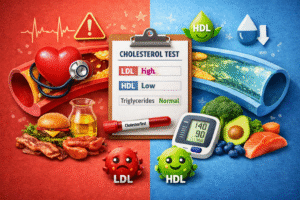
Cholesterol plays a crucial role in maintaining overall health, yet it is often misunderstood. While many people associate cholesterol only with heart disease, the reality is more nuanced. Both high & low cholesterol levels can impact your body in different ways. Understanding what cholesterol is, what levels are considered normal, and when you should be concerned can help you make informed decisions about your health.
This guide explores cholesterol in detail covering healthy ranges, causes of imbalance, symptoms, risks, testing, and effective ways to manage cholesterol levels naturally and medically.
What Is Cholesterol and Why Does the Body Need It?
Cholesterol is a waxy, fat-like substance found in every cell of the body. It is essential for several vital functions, including:
- Building cell membranes
- Producing hormones such as estrogen and testosterone
- Helping the liver create bile acids for digestion
- Supporting vitamin D synthesis
Your body produces most of the cholesterol it needs, mainly in the liver. The rest comes from dietary sources such as meat, dairy products, and eggs.
Problems arise not from cholesterol itself, but from imbalances in high & low cholesterol levels, which can disrupt normal bodily functions.
Types of Cholesterol Explained
Understanding cholesterol starts with knowing its different types. A standard lipid profile measures the following:
Low-Density Lipoprotein (LDL)
Often called “bad cholesterol,” LDL carries cholesterol from the liver to the arteries. Excess LDL can build up in artery walls, forming plaque that narrows blood vessels and increases heart disease risk.
High-Density Lipoprotein (HDL)
Known as “good cholesterol,” HDL helps remove excess cholesterol from the bloodstream and transports it back to the liver for disposal.
Triglycerides
These are a type of fat found in the blood. High triglyceride levels combined with abnormal cholesterol increase the risk of cardiovascular disease.
Normal Cholesterol Levels: A Clear Breakdown
Knowing what’s considered normal is essential when evaluating high & low cholesterol levels. General guidelines for adults include:
- Total Cholesterol: Below 200 mg/dL (normal)
- LDL Cholesterol: Below 100 mg/dL (optimal)
- HDL Cholesterol:
- Men: Above 40 mg/dL
- Women: Above 50 mg/dL
- Triglycerides: Below 150 mg/dL
Values outside these ranges may signal potential health concerns, though individual risk factors also matter.
Understanding High Cholesterol Levels
High cholesterol occurs when LDL or total cholesterol levels exceed healthy limits. This condition often develops silently, without noticeable symptoms.
Common Causes of High Cholesterol
- Diet high in saturated and trans fats
- Lack of physical activity
- Obesity or excess weight
- Smoking
- Excessive alcohol intake
- Genetics (familial hypercholesterolemia)
- Certain medical conditions such as diabetes or hypothyroidism
Health Risks Associated With High Cholesterol
Persistently high cholesterol can lead to serious health complications, including:
- Atherosclerosis (hardening of the arteries)
- Coronary artery disease
- Heart attack
- Stroke
- Peripheral artery disease
Because high cholesterol rarely causes symptoms, many people are unaware they are at risk until complications occur. This makes regular screening critical.
What Are Low Cholesterol Levels?
While high cholesterol gets most of the attention, low cholesterol levels can also pose health concerns. Low cholesterol is generally defined as:
- Total Cholesterol: Below 120 mg/dL
- LDL Cholesterol: Below 50 mg/dL
Though less common, low cholesterol can interfere with hormone production and cell function.
Potential Causes of Low Cholesterol
Low cholesterol may result from:
- Malnutrition or poor dietary intake
- Chronic infections or inflammation
- Liver disease
- Hyperthyroidism
- Certain medications
- Genetic conditions affecting lipid metabolism
Health Risks of Low Cholesterol Levels
Extremely low cholesterol may increase the risk of:
- Hormonal imbalances
- Depression and anxiety
- Hemorrhagic stroke
- Fertility issues
- Impaired immune function
Maintaining balanced cholesterol not too high or too low is essential for overall well-being.
Signs and Symptoms: When Should You Be Concerned?
Most people with abnormal high & low cholesterol levels experience no obvious symptoms. However, warning signs may include:
- Chest pain or shortness of breath (high cholesterol complications)
- Yellowish deposits around the eyes (xanthomas)
- Persistent fatigue
- Mood changes or depression
- Unexplained weight changes
If you have a family history of cholesterol disorders or heart disease, proactive testing is especially important.
Cholesterol Testing: How and When to Get Checked
A lipid profile blood test is the most reliable way to measure cholesterol levels. Doctors typically recommend testing:
- Every 4–6 years for healthy adults
- More frequently if you have risk factors such as diabetes, obesity, or heart disease
- Earlier and more often if there is a strong family history
Consulting a healthcare provider, such as those at HelloGP, can help interpret results and determine the best course of action.
Managing High Cholesterol Naturally
Lifestyle changes are often the first step in addressing high cholesterol.
Dietary Adjustments
- Eat more fruits, vegetables, and whole grains
- Choose healthy fats like olive oil and nuts
- Limit processed foods and red meat
- Increase fiber intake
Physical Activity
- Aim for at least 150 minutes of moderate exercise per week
- Activities like walking, cycling, and swimming help raise HDL levels
Weight Management
Losing even a small amount of weight can significantly improve cholesterol levels.
Medical Treatment for High Cholesterol
When lifestyle changes are not enough, medication may be recommended. Common options include:
- Statins
- Cholesterol absorption inhibitors
- Bile acid sequestrants
Treatment plans depend on individual risk factors, age, and overall health.
How to Address Low Cholesterol Levels
If cholesterol is too low, treatment focuses on identifying the underlying cause.
Possible Approaches
- Improving overall nutrition
- Treating thyroid or liver disorders
- Adjusting medications if necessary
- Ensuring adequate intake of healthy fats
Healthcare providers will tailor treatment based on symptoms and medical history.
Preventing Cholesterol Imbalances
Prevention is the best strategy when it comes to cholesterol health. Key steps include:
- Eating a balanced, nutrient-rich diet
- Staying physically active
- Avoiding smoking
- Limiting alcohol consumption
- Managing stress
- Scheduling regular health checkups
These habits support long-term cardiovascular health and reduce the likelihood of abnormal cholesterol levels.
Final Thoughts
Understanding high & low cholesterol levels empowers you to take control of your health before complications arise. Cholesterol is not inherently harmful, it is an imbalance that creates risk. By staying informed, maintaining healthy habits, and seeking professional guidance when needed, you can keep your cholesterol within a healthy range and protect your heart for years to come.