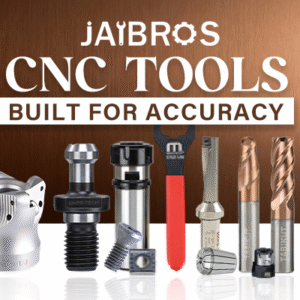
Learn expert U drill strategies to achieve accurate and rapid drilling. Improve efficiency, precision, and productivity in your machining operations.
Professional U Drill Strategies for Accurate & Rapid Drilling
In modern CNC machining, precision and speed are essential for maintaining competitiveness. Machinists are constantly looking for ways to reduce cycle times while maintaining consistent accuracy. One of the most effective solutions is the u drill, a high-performance tool designed for rapid, precise, and efficient drilling. By employing professional U Drill strategies, machinists can achieve better productivity, improved surface finishes, and longer tool life.
Whether you are working with steel, aluminum, or other hard alloys, mastering drill techniques ensures that your operations are efficient, cost-effective, and consistent across multiple machining cycles.
Understanding the Advantages of U Drill Technology
Traditional twist drills are suitable for general-purpose drilling, but they may struggle under high-feed or deep-hole operations. The drill is designed to overcome these limitations. Key advantages include:
- Higher feed rates: The rigid body design allows faster penetration without compromising stability.
- Replaceable inserts: Using a u drill insert reduces downtime and extends tool life.
- Enhanced chip evacuation: Special flute designs prevent clogging during high-speed operations.
- Improved hole quality: Maintains tolerance, roundness, and surface finish in every cycle.
By leveraging these advantages, machinists can significantly improve both output and efficiency in industrial settings.
Choosing the Right U Drill Insert
A critical factor in achieving rapid and accurate drilling is selecting the correct u drill insert. Inserts come in various grades and coatings optimized for different materials:
- Carbide inserts: Suitable for hard metals, high-speed applications, and tight tolerances.
- Coated inserts: Reduce heat, improve lubrication, and extend tool life.
- Special geometry inserts: optimized for aluminum, stainless steel, or cast iron.
Proper insert selection directly impacts cutting efficiency, chip evacuation, and final hole quality.
Using the U Drill Size Chart Effectively
Before setting up the drilling operation, consulting the u drill size chart is essential. This chart provides:
- Recommended diameters for specific operations
- Maximum depth-to-diameter ratios
- Compatible inserts and coatings
- Suggested feed rates and RPM
By referencing the drill size chart, machinists can ensure proper tool selection, avoid chatter, and maintain consistent machining quality. This step is especially important when working with deep holes or challenging materials.
Selecting the Correct U Drill Size
Choosing the correct size is fundamental for both accuracy and speed. A properly sized drill reduces vibration, improves chip flow, and maintains tolerance. Consider the following:
- Material hardness: Harder materials require smaller step-downs or stronger drill bodies.
- Hole diameter: Ensure the size matches the required bore for part specifications.
- Machine spindle capacity: The drill must be compatible with the CNC machine’s speed and torque limits.
Selecting the right u drill size improves both productivity and surface finish, minimizing rework or scrap.
Optimizing Drill Performance
To achieve rapid drilling with superior accuracy, implement these professional strategies:
- Set optimal feed and RPM: Follow manufacturer recommendations and adjust based on material and tool condition.
- Use adequate coolant: Proper lubrication reduces heat buildup and extends drill insert life.
- Monitor tool wear: Replace inserts promptly to maintain tolerance and reduce part scrap.
- Ensure correct clamping: Tool stability is critical for precise, high-speed operations.
- Regularly inspect drill geometry: Maintain proper angles and cutting edges to prevent chatter.
By combining these strategies, machinists can fully leverage the benefits of drill technology while minimizing downtime.
Cost Considerations
While the drill price is higher than standard drills, the long-term benefits often outweigh the initial cost. Advantages include:
- Reduced downtime due to replaceable u drill insert
- Extended tool life with proper usage
- Faster cycle times and higher production output
Additionally, evaluating multiple suppliers allows machinists to find a drill price that balances quality and budget.
Conclusion—Achieve Precision and Speed with Professional U Drill Techniques
Mastering drill strategies is essential for modern CNC machining. From selecting the right insert to consulting the u drill size chart and maintaining proper operational practices, every step contributes to accurate, rapid, and efficient drilling. These strategies not only enhance productivity but also reduce scrap, improve surface finish, and extend tool life.
At Jaibros, we provide high-quality U-drills, inserts, and precision tooling solutions designed for professional machinists and industrial applications. Whether you need guidance on tool selection or want reliable products for long-term performance, Jaibros ensures top-quality tools to support your machining success.
FAQs
- What makes a U drill more efficient than a traditional drill?
The drill allows higher feed rates, better chip evacuation, and precise tolerance with replaceable inserts, making it ideal for industrial applications. - How do I choose the right Drill insert?
Select inserts based on material type, hardness, and coating. Carbide and coated inserts are commonly used for high-speed operations. - Why is the U Drill size chart important?
The u drill size chart ensures proper diameter selection, compatible inserts, and recommended operational parameters for optimal drilling. - Does a larger drill size improve productivity?
Not always. Selecting the correct drill size based on machine capacity and material ensures accurate, stable, and fast drilling. - Is the U Drill price justified for small workshops?
Yes. Despite a higher initial u drill price, the benefits of longer tool life, replaceable inserts, and faster cycle times make it cost-effective.