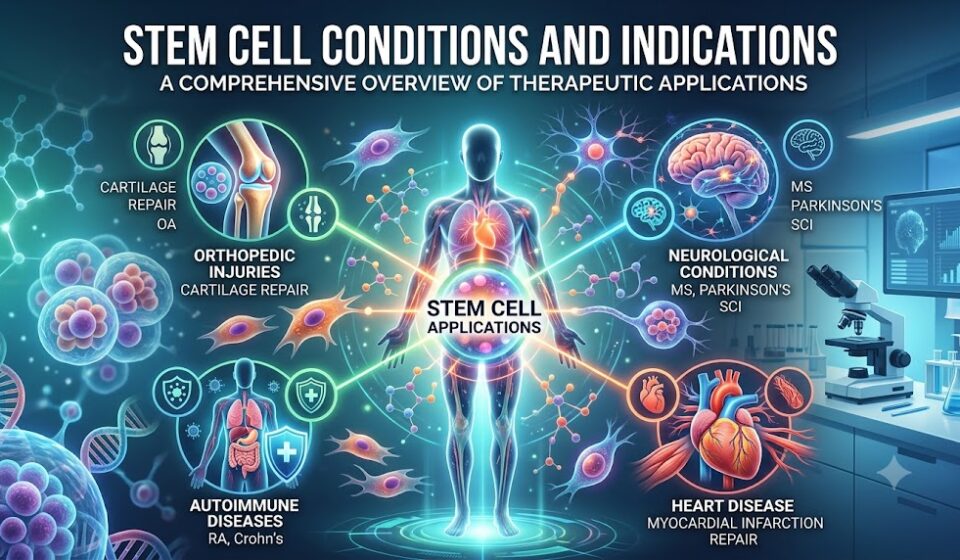

Stem cell transplantation is a specialized treatment used to manage and, in some cases, cure a variety of blood cancers, bone marrow disorders, and genetic diseases. By replacing damaged or unhealthy stem cells with healthy ones, this therapy helps restore the body’s ability to produce normal blood cells and maintain a healthy immune system.
For patients seeking detailed information about Stem Cell Conditions and Indications, understanding the diseases that may benefit from stem cell transplantation is an important first step toward exploring treatment options.
What Is Stem Cell Transplantation?
Stem cell transplantation involves collecting healthy stem cells from either the patient (autologous transplant) or a compatible donor (allogeneic transplant). These cells are then infused into the patient’s bloodstream after intensive treatment designed to eliminate diseased cells and prepare the bone marrow for new, healthy stem cells.
The goal of transplantation is to restore normal blood cell production, strengthen immune function, and improve long-term treatment outcomes.
Conditions That May Require Stem Cell Transplantation
Stem cell transplantation is commonly recommended for several serious medical conditions, including:
- Acute Myeloid Leukemia (AML)
- Acute Lymphoblastic Leukemia (ALL)
- Chronic Leukemia
- Hodgkin Lymphoma
- Non-Hodgkin Lymphoma
- Multiple Myeloma
- Myelodysplastic Syndromes (MDS)
- Severe Aplastic Anemia
- Thalassemia
- Sickle Cell Disease
- Certain inherited immune system disorders
For many of these conditions, stem cell transplantation offers the possibility of long-term remission or even a cure when conventional treatments are not sufficient.
Benefits of Stem Cell Therapy
Stem cell transplantation can provide significant benefits for eligible patients. These include:
- Replacing diseased bone marrow with healthy cells
- Restoring normal blood cell production
- Rebuilding the immune system
- Reducing the risk of disease recurrence
- Improving long-term survival and quality of life
Advances in transplant techniques, donor matching, and supportive care have made stem cell transplantation safer and more effective than ever before.
Who Is a Candidate?
Not every patient will require a stem cell transplant. Specialists evaluate factors such as age, overall health, disease type, treatment history, and donor availability before recommending transplantation. A personalized assessment helps determine the most appropriate treatment plan for each individual.