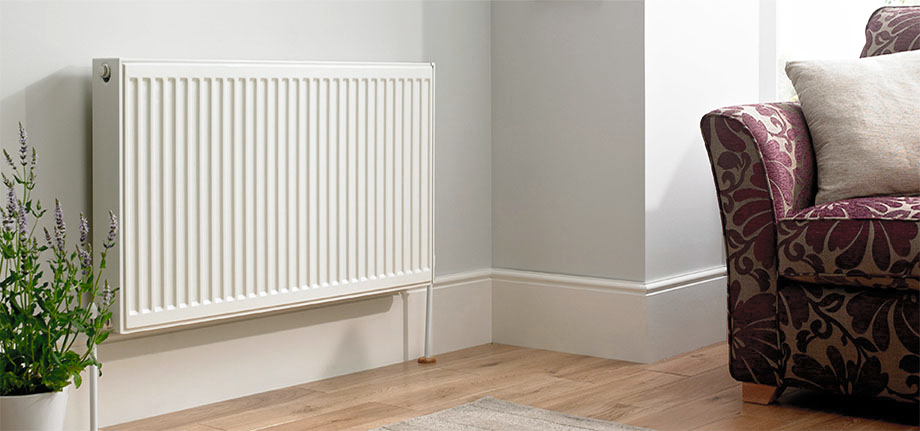
We often think of heating as a simple task. We believe it is just about raising the temperature on a dial. If the air reads 70 degrees, we assume the job is done. But anyone who has sat in a drafty room knows this is not true. Real comfort is not just about the temperature of the air. It is about the stability of the environment. It is about how the heat feels on your skin. This difference comes down to physics. It depends on the material that delivers the heat.
For a long time, engineers focused on speed. They wanted to heat rooms as fast as possible. They used thin metals and fans to push hot air around. This worked to change the number on the thermostat. But it often left the room feeling dry and uncomfortable. Now, we are looking back at older methods. We are finding that heavy, dense materials do a better job. They do not just heat the air. They change the thermal profile of the entire building. They create a type of warmth that is steady and calm. This approach relies on weight, mass, and the basic laws of thermodynamics.
The Science of Heat Storage
To understand comfort, we must look at “specific heat capacity.” This is a scientific term. It measures how much energy a material can hold. Air has a very low capacity. It heats up fast, but it also cools down fast. It cannot hold onto energy. Water has a high capacity. It can hold a lot of heat. Iron sits in the middle, but it has a special property called density. Because iron is so heavy and thick, a large object made of it can store a massive amount of thermal energy.
This storage acts like a bank account for heat. When the boiler turns on, the hot water flows into the heater. The metal absorbs this energy. It does not just let it pass through. It soaks it up. This takes time. It might take thirty minutes for the metal to get fully hot. But this is a good thing. It means the object is building a reserve. When the boiler turns off, the metal is still full of energy. It continues to release this warmth for a long time. This prevents the room from getting cold quickly. It smooths out the temperature, so you don’t feel hot one minute and cold the next.
Radiant Waves Versus Moving Air
The way heat travels is just as important as how it is stored. There are two main ways to heat a room. The first is convection. This is when hot air rises. It creates a current that moves dust and allergens around the room. The second way is radiation. This is how the sun heats the earth. It sends out waves of energy that warm solid objects directly. A Cast Iron Radiator is designed to maximize this second method. While it does heat some air, its main job is to send out infrared waves.
These waves travel in straight lines. They do not need air to move. When they hit your skin, you feel warm. When they hit the floor or the furniture, those objects get warm. This creates a very different feeling in the room. In a room heated by air, the ceiling is often hot while the floor is cold. In a room heated by radiation, the warmth is everywhere. It feels more natural. It is like standing in direct sunlight on a cool day. You feel warm even if the air around you is fresh. This is why heavy systems often feel comfortable at lower thermostat settings.
The Art of Sand Casting
The durability of these units comes from how they are made. They are not stamped out of sheets of metal. They are created in a foundry. The process is called sand casting. It is an ancient technique that is still used because it works. Workers create a mold using a special mixture of sand and clay. This sand is packed tight around a model of the radiator section. Then, the model is removed. This leaves a perfect empty space in the sand.
Iron is melted in a furnace. It reaches temperatures of over 2,500 degrees Fahrenheit. This liquid metal is poured into the sand mold. It flows into every tiny detail. It creates the thick walls and the decorative patterns. Once the iron cools and turns solid, the sand is broken away. What is left is a single, solid piece of metal. There are no welds to break. There are no thin spots to rust through. This single-piece construction is why these units last so long. They are built to be permanent fixtures in a home, not disposable appliances.
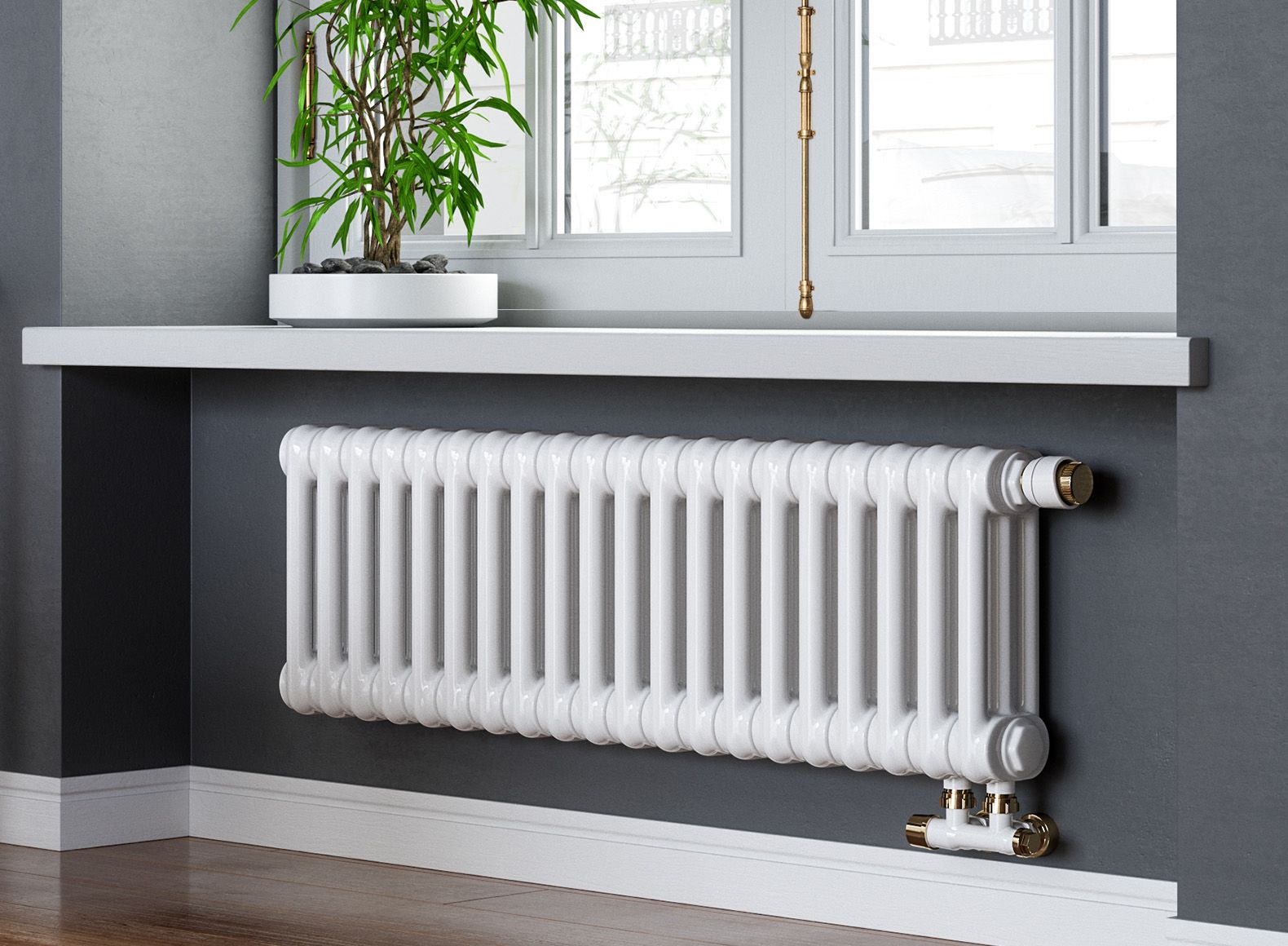
Controlling Indoor Air Quality
Many people do not realize that their heating system affects the air they breathe. Systems that rely on blowing hot air can be bad for air quality. They pick up dust, pet dander, and pollen from the floor. They blow these particles up into the air where we breathe them. This can be hard for people with allergies or asthma. It creates a dusty environment.
High-mass heating systems do not do this. Because they rely on radiation, they do not create strong air currents. The air remains still. The dust stays on the floor where it can be cleaned up. There is another benefit too. Thin metal heaters often get very hot, very quickly. This high temperature can “burn” the dust that settles on them. This creates a distinct smell and can irritate the throat. Heavy iron units heat up more slowly and usually run at lower surface temperatures. They do not burn the dust. This keeps the air smelling fresh and clean. It is a healthier way to heat a living space.
The Modular Assembly Method
One of the unique features of this design is that it is modular. Most modern heaters are sold as a single fixed panel. You buy a specific size, and you cannot change it. If it is too small, you have to buy a new one. Heavy iron units are different. They are built from individual “sections.” These sections are like slices of a loaf of bread. They are bolted together to make the radiator as long or as short as needed.
This assembly happens by hand. The sections are joined using threaded connectors called “nipples” and sealed with fiber or paper gaskets. This means a unit can be custom-built for any room. If a room is very large, you can add more sections to get more heat. If you renovate and the room gets smaller, you can remove sections. This flexibility is rare in modern products. It also means that if one section gets damaged, you do not have to throw the whole unit away. You can simply replace the damaged section. This reduces waste and saves money over the long term.
Integration with Modern Heat Pumps
There is a myth that heavy, old-style radiators only work with old, gas-guzzling boilers. This is not true. In fact, they are perfect partners for modern green technology. New heating systems, like heat pumps, work differently than old boilers. They are most efficient when they produce water that is only warm, not hot. They prefer to run for long periods at a steady pace.
Thin, steel radiators struggle with this. They need very hot water to work well. If you put lukewarm water in them, they do not give off enough heat. Heavy iron units are different. They have a huge surface area. They act like a giant magnifying glass for heat. Even if the water inside is only 110 degrees, the massive surface area allows them to release enough warmth to keep the room comfortable. Their ability to hold heat also helps the heat pump. It prevents the machine from turning on and off too often. This saves electricity and helps the expensive heat pump last longer.
Longevity and the Environment
We live in a “throw-away” culture. We buy things, use them for a few years, and then throw them in the trash. This is bad for the planet. Manufacturing new steel products uses a lot of energy and creates pollution. The most sustainable product is the one you do not have to replace. This is where heavy iron wins. A typical steel panel radiator might last 15 or 20 years before it rusts out. A heavy cast unit can last over 100 years.
There are many examples of these units from the 1920s that are still working today. They just need a new coat of paint and maybe a good cleaning. Because they last so long, their environmental footprint is actually very small. You only have to manufacture them once in a century. When they finally do reach the end of their life, the iron is 100% recyclable. It can be melted down and turned into something new. This makes them a surprisingly eco-friendly choice for a sustainable home.
Understanding Thermal Lag
Engineers talk about a concept called “thermal lag.” This describes the delay between the heating system turning on and the room getting warm. With a fan heater, there is almost no lag. The heat is instant. With a heavy iron system, there is a significant lag. It takes time to get the mass up to temperature. Some people think this is a disadvantage. They want heat the second they walk in the door. But thermal lag has a hidden benefit.
The benefit is stability. Once the system is up to temperature, it resists change. If someone opens a door and lets in a blast of cold air, the heavy iron does not care. It keeps radiating heat. The room recovers its warmth very quickly. It acts like a heavy flywheel on an engine. It keeps everything running smooth and steady. This is very different from a low-mass system, where a draft can make the room feel cold instantly. The lag creates a buffer that protects your comfort from the outside world.
The Role of Water Volume
The inside of these units is just as important as the outside. They hold a large volume of water. Modern systems try to use as little water as possible to save speed. But having a large volume of water in the system adds to the stability. Water is excellent at holding heat. A system with 50 gallons of hot water in it contains a lot of energy.
This large volume flows through wide internal channels. In modern panels, the water channels are tiny, like straws. They can easily get blocked by sludge or debris. The wide channels in an iron unit almost never get blocked. The water flows freely with very little resistance. This puts less strain on the central heating pump. The pump does not have to work as hard to push the water around. This saves electricity and reduces wear and tear on the mechanical parts of the system. It is a simpler, more robust way to move water.
Conclusion: A Lesson in Permanence
The history of home heating teaches us an important lesson. Newer is not always better. Faster is not always superior. We spent decades trying to make heating systems lighter, faster, and more complex. But in doing so, we lost something. We lost the quality of the heat. We traded deep, radiant comfort for dry, blowing air.
The heavy cast iron radiator reminds us of the value of substance. It uses the laws of physics to work with our needs, not against them. It uses mass to store energy. It uses radiation to warm our bodies. It uses simple, durable construction to last for generations. In a world that is constantly rushing, there is a profound comfort in something that is slow, steady, and built to stay. It turns a house into a warm, stable environment where we can truly relax. This is the true definition of thermal comfort.